The brief
The Ebola outbreak in the Democratic Republic of Congo has resulted in nearly 1,000 deaths, marking a significant health crisis in the region.
Context
The outbreak is attributed to the Bundibugyo strain of the virus, which has been identified as the fastest Ebola outbreak in history.S1S2
Key points
- The World Health Organization reports 999 deaths in the DRC due to Ebola.S1
- Two additional deaths have been reported in Uganda linked to the outbreak.S1
- The outbreak has been declared the fastest in history by health officials.S2
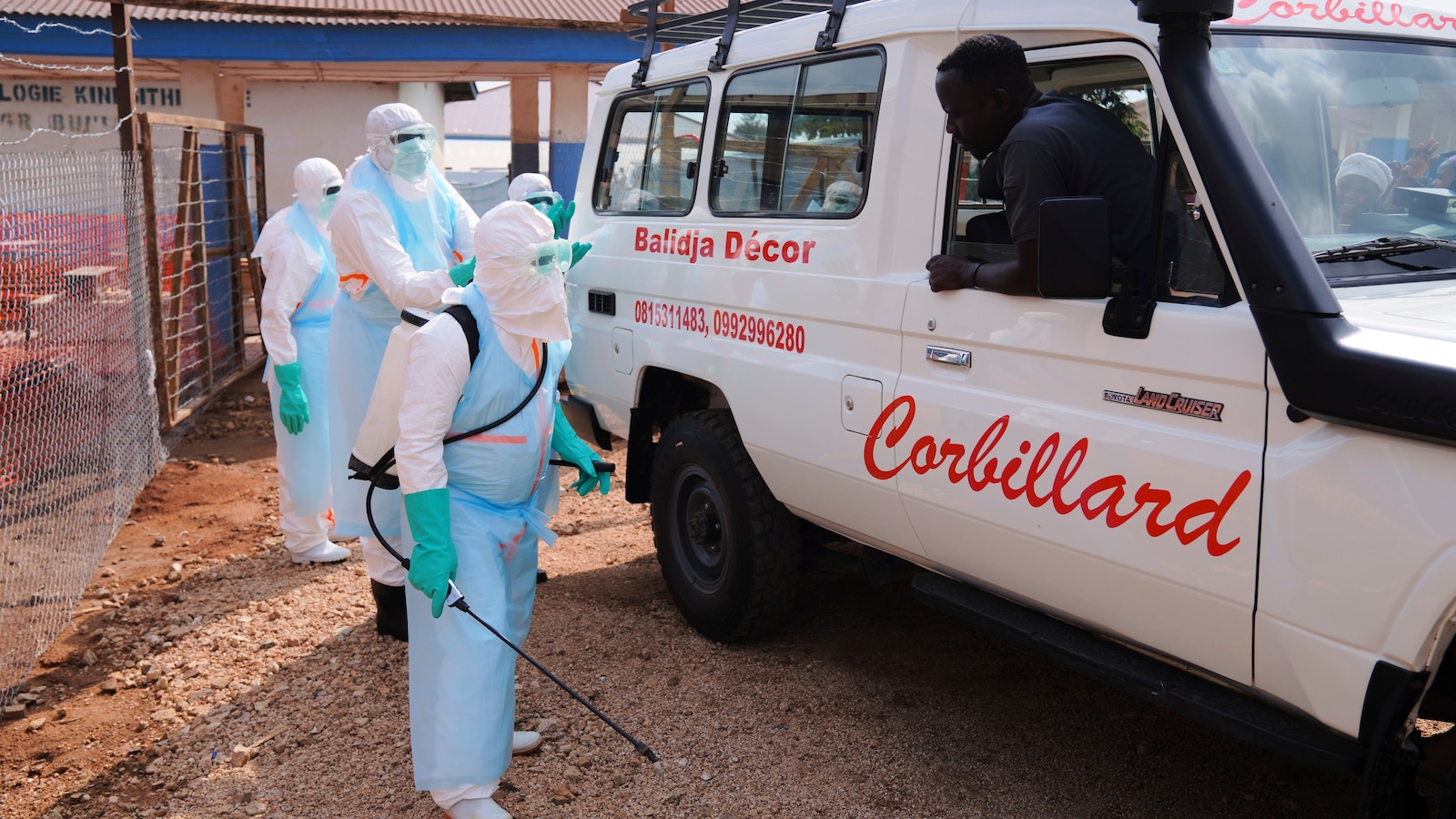
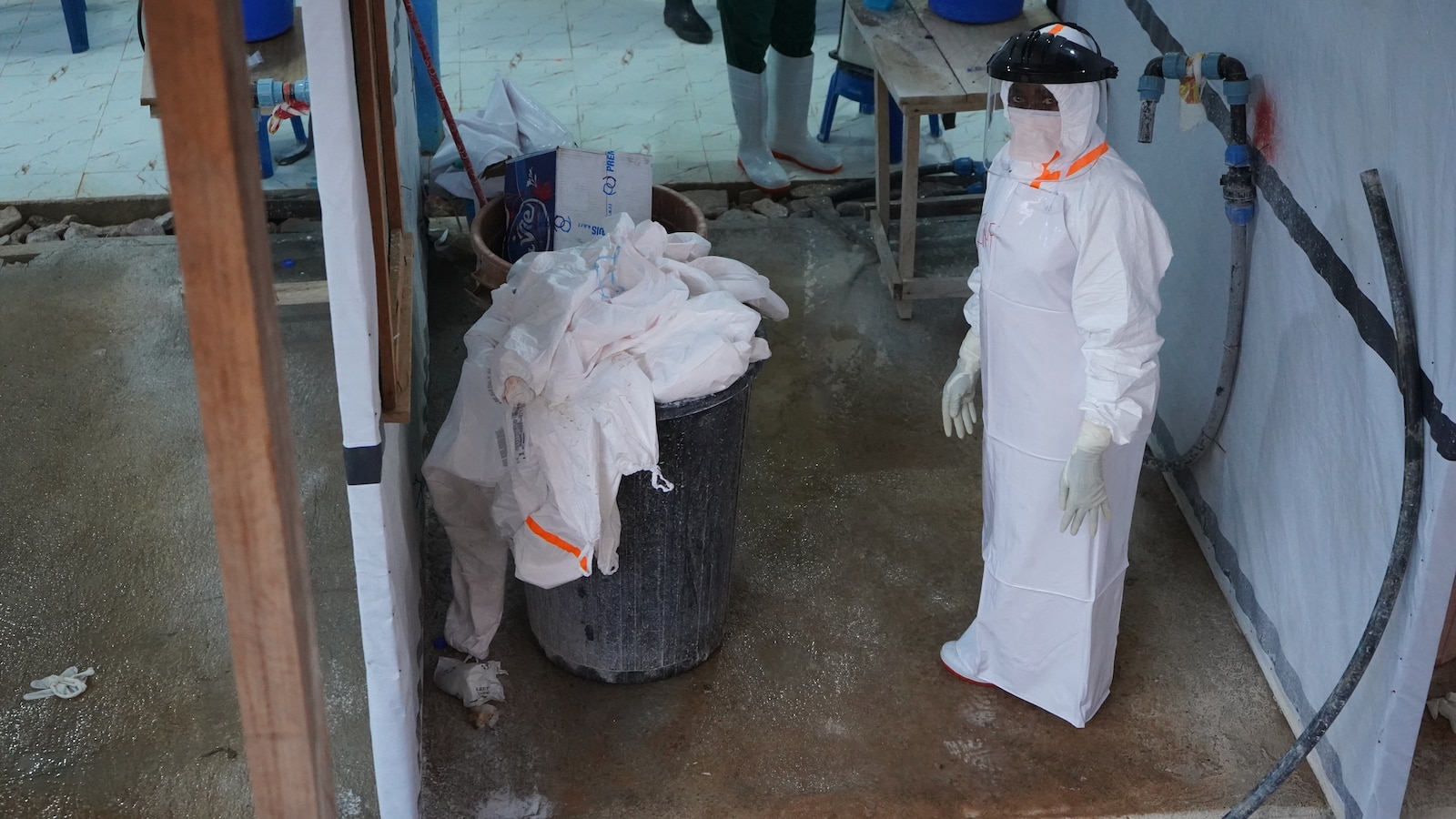
- Health authorities are working to contain the spread of the virus in affected regions.S2
- The Bundibugyo strain is known for its rapid transmission and high fatality rate.S1
- Efforts are underway to provide medical support and resources to affected areas.S2
- Local and international health organizations are collaborating to manage the crisis.S3
- Public health campaigns are being implemented to educate communities about Ebola prevention.S2
Why it matters
- The high death toll highlights the urgent need for effective public health interventions.S1
- Rapid outbreaks of Ebola can overwhelm local healthcare systems, leading to broader health crises.S2
- International attention and resources may be mobilized to address the outbreak and prevent further spread.S3
What to watch
- Monitor updates from health organizations regarding containment efforts and vaccination strategies.S1
- Watch for potential international responses and aid to the affected regions.S2
- Keep an eye on the situation in Uganda for any developments related to cross-border transmission.S1