The brief
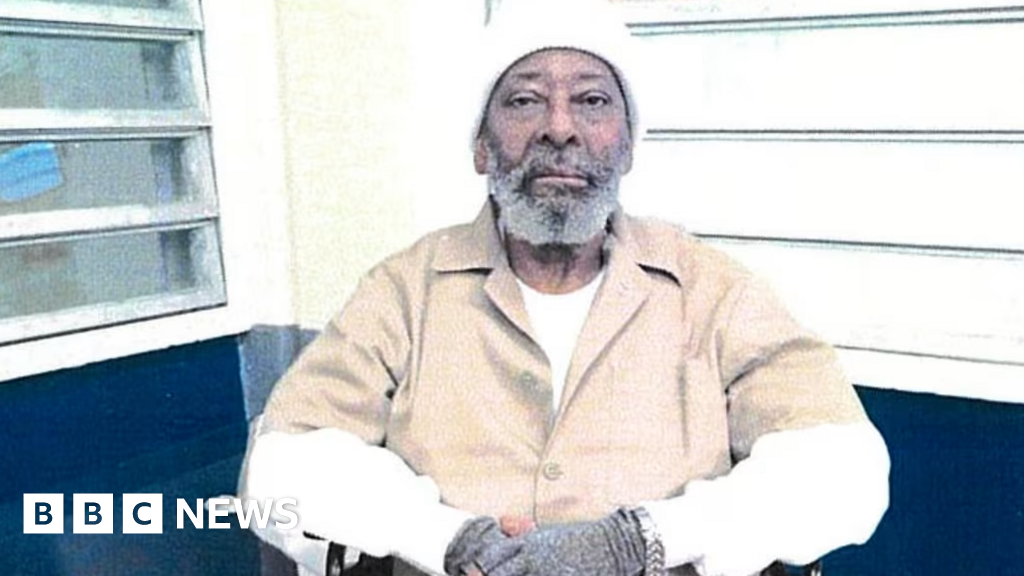
Four men have been convicted in a Miami federal court for their roles in the assassination of Haitian President Jovenel Moise, which occurred in 2021.
Context
The assassination of Moise has led to a significant political crisis in Haiti, creating a power vacuum and ongoing instability in the region.S2
Key points
- The men were convicted for conspiring to kill Moise by hiring mercenaries.S1
- They were found guilty after a nine-week trial in Miami.S1
- Prosecutors described Florida as a central hub for the assassination plot.S2
- The defendants allegedly assembled former Colombian soldiers for the operation.S1
- They provided the mercenaries with money, weapons, and tactical gear.S1
- The assassination has exacerbated Haiti's ongoing political crisis.S2
- The trial highlighted the international dimensions of the assassination plot.S1
- The convictions may influence future U.S. policy towards Haiti.S2
Why it matters
- The assassination has left a political vacuum in Haiti, complicating governance.S2
- Convictions in the U.S. may deter future plots against foreign leaders.S1
- The case underscores the involvement of foreign nationals in domestic political violence.S2
What to watch
- Monitor the political developments in Haiti following the convictions.S2
- Watch for potential changes in U.S. foreign policy regarding Haiti.S2
- Observe any reactions from the Haitian government or civil society organizations.S2