🌎 Americas · English
Current: 🌎 Americas · English
Global
Focused
Language
Friday 31 July
🌎 Americas · English
Current: 🌎 Americas · English
Global
Focused
Language
Story Iran Politics

Iran's New Supreme Leader Issues Defiant Statement

Iran
The brief

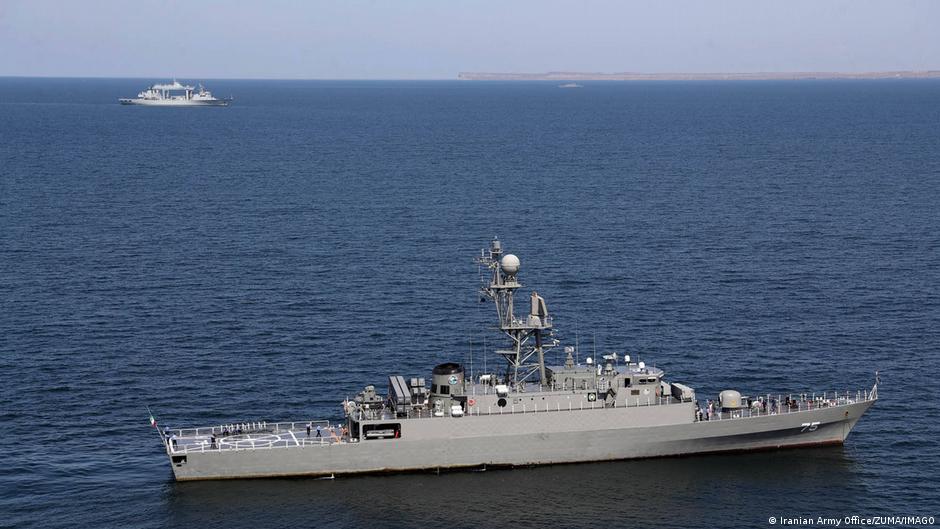
Mojtaba Khamenei, Iran's new supreme leader, has declared that the Strait of Hormuz must remain closed, marking his first public comment since the onset of the ongoing conflict in the region.

Context

Khamenei's statement reflects Iran's stance amid escalating tensions in the Middle East, indicating a firm position against external pressures.S1S2

Key points

  • Khamenei emphasized that Iran would not back down in the ongoing war.S1
  • The statement was made in a written format, marking Khamenei's first public remarks since the conflict began.S2
  • The closure of the Strait of Hormuz is a significant geopolitical issue, as it is a vital shipping route for oil.S1
  • Khamenei's comments suggest a continuation of Iran's defiant posture in regional conflicts.S1
  • The statement may escalate tensions with countries that rely on the Strait for oil transport.S2
  • Khamenei's leadership is being closely watched as the situation in the Middle East evolves.S1
  • The remarks could influence Iran's relations with neighboring countries and global powers.S2
  • The international community is likely to respond to Khamenei's declaration with concern over maritime security.S1

Why it matters

  • The Strait of Hormuz is crucial for global oil supply, and its closure could have significant economic implications.S1
  • Khamenei's stance may embolden hardline factions within Iran, impacting domestic and foreign policy.S2
  • The situation could lead to increased military presence from other nations in the region, raising the risk of conflict.S1

What to watch

  • Monitor responses from the United States and allied nations regarding maritime security in the Strait.S2
  • Watch for potential shifts in Iran's military strategy following Khamenei's statements.S1
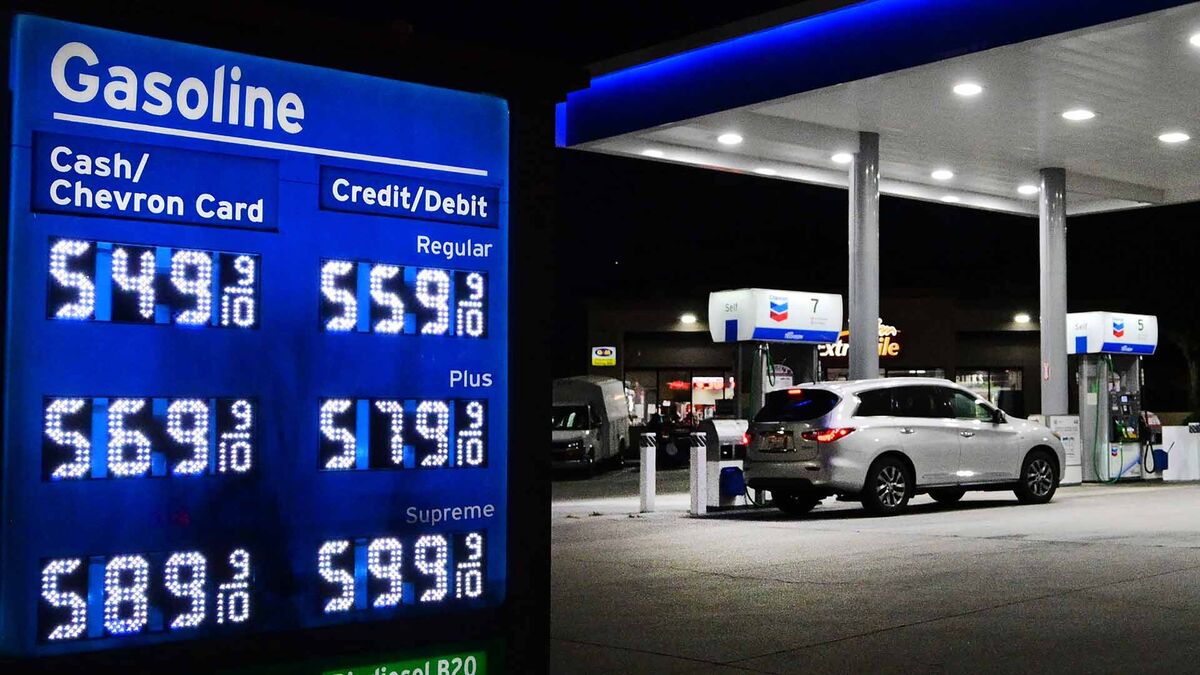
  • Keep an eye on the reactions from oil markets as tensions in the region escalate.S2
Timeline · newest first
4mos Al Jazeera

Iran envoy says Tehran will keep Strait of Hormuz open

Iran’s UN envoy Amir Saeid Iravani said Tehran will not close the Strait of Hormuz and remains committed to freedom.

4mos The New York Times

What Is the Strait of Hormuz and Why Is Iran Blocking It?

With attacks and threats, Tehran is using the world’s most important transit point for oil and gas as leverage against its enemies.

4mos BBC

Iran’s New Supreme Leader (Sort Of) Speaks Out

Use BBC.com or the new BBC App to listen to BBC podcasts, Radio 4 and the World Service outside the UK. Today, the new Iranian Supreme Leader, Mojtaba Khamenei, gave his first stat…

4mos BBC

Iran's new supreme leader vows to block Strait of Hormuz in first statement

Iran's new supreme leader vows to block Strait of Hormuz in first statement1 hour agoShareSaveGabriela PomeroyShareSaveEPAIran will continue blocking the Strait of Hormuz, the worl…

4mos The New York Times

Mojtaba Khamenei, Iran’s New Supreme Leader, Says Strait of Hormuz Must Remain Closed in Defiant Statement

Mojtaba Khamenei struck a defiant tone and signaled that Iran would not back down in a war that has spread across the Middle East.

4mos Financial Times

Iran’s new supreme leader vows to keep Strait of Hormuz closed

Written statement is first public comment from Mojtaba Khamenei since the start of the war

4mos Deutsche Welle

Iran leader calls for Hormuz closure as oil price spikes

In his first public statement, supreme leader Mojtaba Khamenei said Iran should use choking off Hormuz as leverage, while the IEA says the conflict is unleashing the largest oil su…

4mos France 24

Iran's new supreme leader calls for Strait of Hormuz to remain closed

Mojtaba Khamenei said in his first public statementas Iran's new supreme leader, read on state television on Thursday, that the Strait of Hormuz should remain closed to put pressur…

Iran's New Supreme Leader Issues Defiant Statement

6 outlets 10 reports
The brief

Mojtaba Khamenei, Iran's new supreme leader, has declared that the Strait of Hormuz must remain closed, marking his first public comment since the onset of the ongoing conflict in the region.

Context

Khamenei's statement reflects Iran's stance amid escalating tensions in the Middle East, indicating a firm position against external pressures.S1S2

Key points

  • Khamenei emphasized that Iran would not back down in the ongoing war.S1
  • The statement was made in a written format, marking Khamenei's first public remarks since the conflict began.S2
  • The closure of the Strait of Hormuz is a significant geopolitical issue, as it is a vital shipping route for oil.S1
  • Khamenei's comments suggest a continuation of Iran's defiant posture in regional conflicts.S1
  • The statement may escalate tensions with countries that rely on the Strait for oil transport.S2
  • Khamenei's leadership is being closely watched as the situation in the Middle East evolves.S1
  • The remarks could influence Iran's relations with neighboring countries and global powers.S2
  • The international community is likely to respond to Khamenei's declaration with concern over maritime security.S1

Why it matters

  • The Strait of Hormuz is crucial for global oil supply, and its closure could have significant economic implications.S1
  • Khamenei's stance may embolden hardline factions within Iran, impacting domestic and foreign policy.S2
  • The situation could lead to increased military presence from other nations in the region, raising the risk of conflict.S1

What to watch

  • Monitor responses from the United States and allied nations regarding maritime security in the Strait.S2
  • Watch for potential shifts in Iran's military strategy following Khamenei's statements.S1
  • Keep an eye on the reactions from oil markets as tensions in the region escalate.S2
Timeline · newest first

Sources · 2 citations

S1 The New York TimesLead 4 reports · EN
S2 Financial Times 1 report · EN
BBC 2 reports · EN
France 24 1 report · EN
Deutsche Welle 1 report · EN
Al Jazeera 1 report · EN