The brief
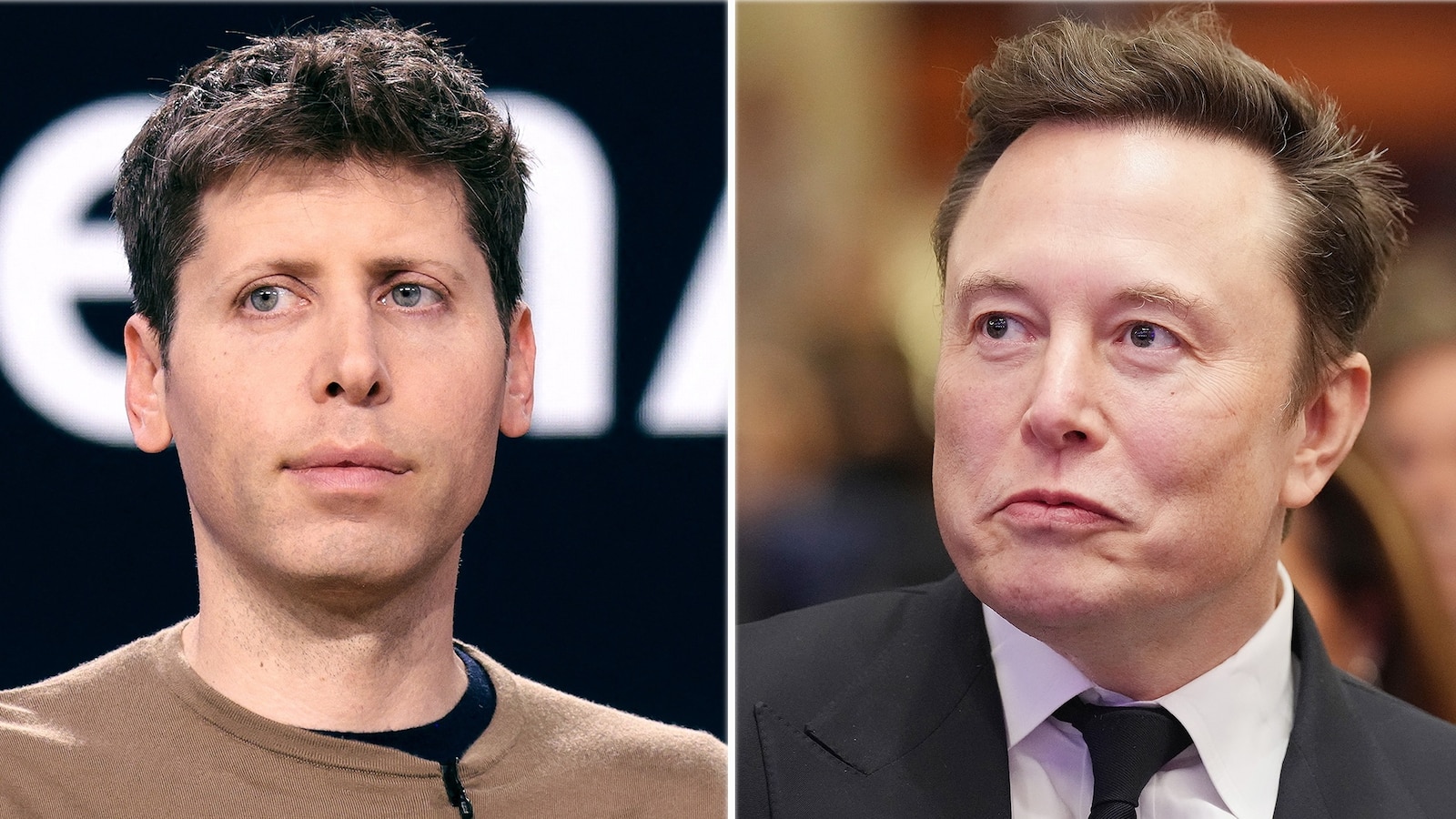
A federal jury has ruled against Elon Musk in his lawsuit against OpenAI and its CEO Sam Altman, stating that the case was filed too late.
Context
Musk accused Altman of betraying OpenAI's original nonprofit mission, which he claimed was compromised as the organization transitioned to a for-profit model.S3
Key points
- The jury's decision was unanimous, affirming that Musk's claims were not timely.S2
- The case was heard in a federal court in Oakland, California.S2
- Musk's lawsuit centered on allegations of betrayal regarding OpenAI's mission.S3
- The ruling effectively ends Musk's legal challenge against OpenAI.S2
- Musk has been a vocal critic of OpenAI's shift to a for-profit structure.S3
- The verdict highlights the legal challenges associated with nonprofit transitions to for-profit entities.S3
- Musk's claims included concerns about the ethical implications of OpenAI's direction.S3
- The outcome may influence future discussions on nonprofit governance and accountability.S3
Why it matters
- The ruling underscores the legal limitations on challenging corporate governance decisions after a significant delay.S2
- It raises questions about the responsibilities of organizations that shift from nonprofit to for-profit models.S3
- The case reflects broader concerns in the tech industry regarding ethical practices and mission integrity.S3
What to watch
- Monitor any potential responses from Musk regarding the verdict.S2
- Watch for discussions on the implications of this ruling for other tech companies.S3
- Keep an eye on OpenAI's future developments and any changes in its operational model.S3