The brief
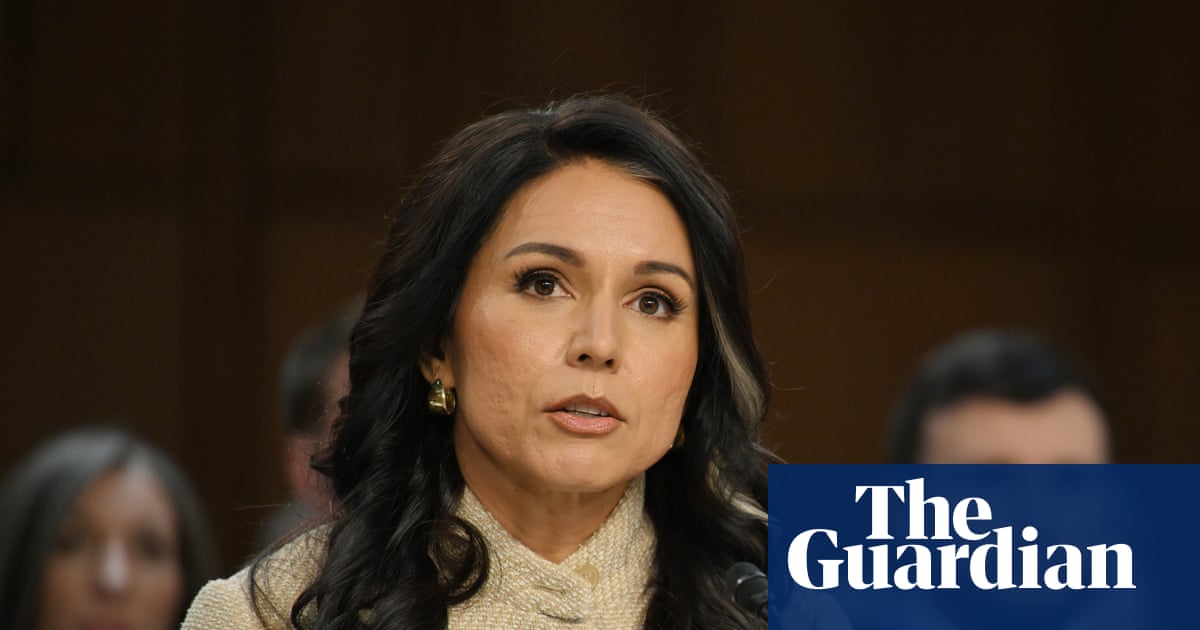
Tulsi Gabbard is resigning from her position as the US Director of National Intelligence amid reports of a challenging tenure and personal reasons.
Context
Gabbard's resignation comes as she has been reportedly sidelined in her role, with the White House allegedly pushing for her departure.S1
Key points
- Gabbard's resignation is effective June 30.S2
- She is leaving to assist her husband, who has been diagnosed with bone cancer.S2
- Her tenure has been described as rocky, with limited influence in her role.S1
- Reports suggest that the White House played a role in her decision to resign.S1
- Gabbard's departure raises questions about the future leadership of US intelligence agencies.S1
- She has been a controversial figure in US politics, known for her unconventional views.S1
- Gabbard's resignation may impact the dynamics within the intelligence community.S1
- Her exit follows a trend of high-profile resignations within the Trump administration.S1
Why it matters
- The resignation highlights ongoing challenges within the US intelligence community.S1
- It underscores the personal sacrifices faced by public officials amid family health crises.S2
- Gabbard's departure could influence the political landscape as she has been a polarizing figure.S1
What to watch
- Monitor who will be appointed to replace Gabbard as Director of National Intelligence.S1
- Watch for potential shifts in US intelligence policy following her resignation.S1
- Keep an eye on Gabbard's future political endeavors after leaving her post.S1