
The brief
The G7 summit in France prominently featured discussions on Iran and Ukraine, reflecting shifting geopolitical priorities.
Context
The summit comes amid ongoing tensions in Ukraine and the Middle East, with leaders aiming to address these critical issues.S1S2
Key points
- Leaders at the G7 summit emphasized the need to address the conflict in Ukraine.S1
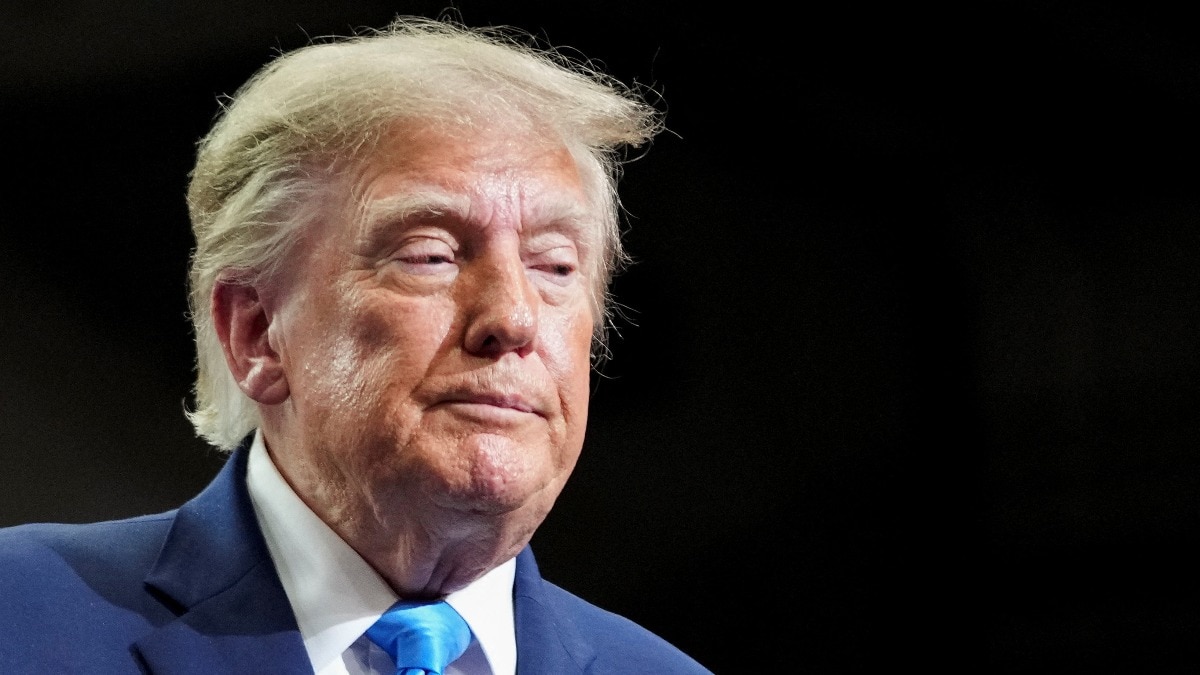
- Donald Trump suggested that Russia should negotiate with Ukraine during the summit discussions.S2
- Trump's focus appeared to be more on the U.S.-Israeli conflict with Iran than on Ukraine.S2
- The summit highlighted a new security reality for U.S. allies in Europe, as articulated by Trump.S3
- European leaders are concerned about the implications of Trump's stance on Ukraine.S2
- The discussions at the summit reflect a broader concern about American commitment to European security.S3
- Iran's influence and actions were also a significant topic of conversation among G7 leaders.S1
- The summit aimed to reinforce unity among G7 nations regarding these pressing global issues.S1
Why it matters
- The outcomes of the G7 summit could shape future international responses to the Ukraine conflict.S1
- Trump's comments may influence U.S. foreign policy and its relationships with European allies.S2
- The discussions on Iran highlight ongoing tensions that could affect regional stability.S1
What to watch
- Monitor how G7 leaders implement decisions made regarding Ukraine and Iran.S1
- Watch for potential shifts in U.S. foreign policy following Trump's remarks at the summit.S2
- Keep an eye on European responses to Trump's focus on the U.S.-Israeli conflict.S2





/file/attachments/2998/14341149_774243.jpg)