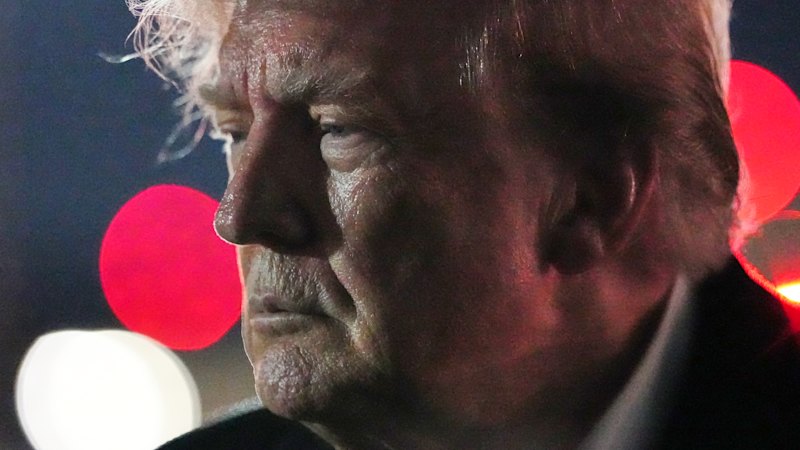
A federal judge has mandated that former President Donald Trump must sit for a deposition by December 11 as part of his ongoing $10 billion defamation lawsuit against the BBC. This lawsuit, initiated by Trump in December, stems from a Panorama documentary that he claims misleadingly edited his remarks prior to the January 6 attack on the Capitol. The ruling comes as the BBC continues to defend itself against the allegations of defamation, which have sparked significant media attention and legal scrutiny.
The judge's order marks a critical development in the case, which has seen Trump assert that the documentary misrepresented his statements, thereby damaging his reputation. The BBC, on the other hand, has been actively contesting the claims, arguing that their reporting was fair and within the bounds of journalistic standards. This legal battle not only highlights the tensions between Trump and media organizations but also raises questions about the limits of defamation law in the context of public figures and political discourse.S1S2
As the deposition date approaches, the implications of this case may extend beyond Trump and the BBC, potentially influencing how defamation cases involving public figures are handled in the future. Legal experts are closely monitoring the proceedings, particularly given the high stakes involved in a lawsuit of this magnitude. The outcome could set a precedent for similar cases, especially those involving media coverage of political events and figures.S1S2