The brief
Tensions between the US and Iran have intensified following an attack on a cargo ship in the Strait of Hormuz, leading to military responses and diplomatic efforts.
Context
The Strait of Hormuz is a critical maritime route for global oil shipments, and incidents in this area often heighten geopolitical tensions.S1S2
Key points
- Iran's IRGC claimed responsibility for targeting US military assets in the region.S1
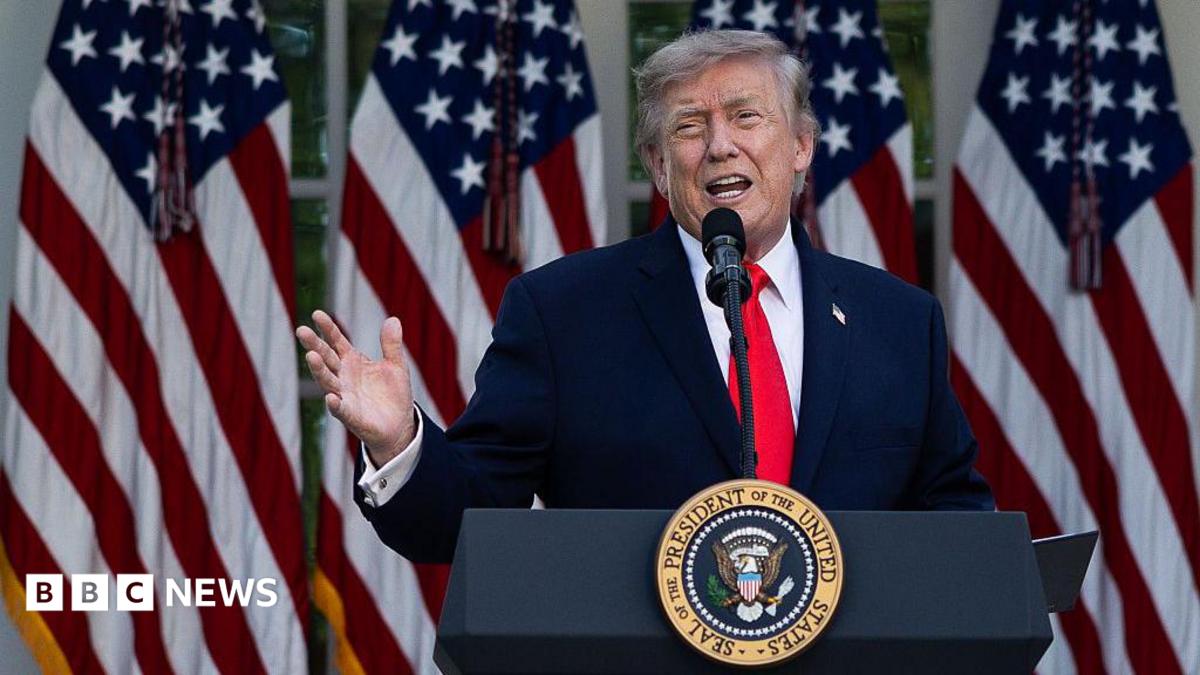
- President Trump accused Iran of violating a ceasefire agreement following the attack on the cargo ship.S2
- The attack on the vessel did not result in any reported casualties.S2
- The UN's International Maritime Organization has paused its planned evacuation of personnel in response to the incident.S2
- The US has conducted military strikes in response to the attack, escalating the situation further.S1
- US Secretary of State is engaging in diplomatic efforts to reassure Gulf Cooperation Council allies regarding Iran.S1
- The incident highlights ongoing tensions between the US and Iran, particularly in maritime security.S1S2
- The Strait of Hormuz remains a focal point for international shipping and military presence.S1
Why it matters
- Escalating tensions in the Strait of Hormuz could disrupt global oil supplies and impact international markets.S1
- The situation reflects broader geopolitical struggles in the Middle East, particularly involving US-Iran relations.S2
- Increased military actions could lead to further conflict in the region, affecting regional stability.S1
What to watch
- Monitor developments regarding US military actions in the region and Iran's responses.S1
- Watch for updates on diplomatic efforts by the US to engage with Gulf allies.S1
- Keep an eye on the UN's response and any changes in maritime security protocols in the Strait of Hormuz.S2





/file/attachments/2998/14341149_774243.jpg)