The brief
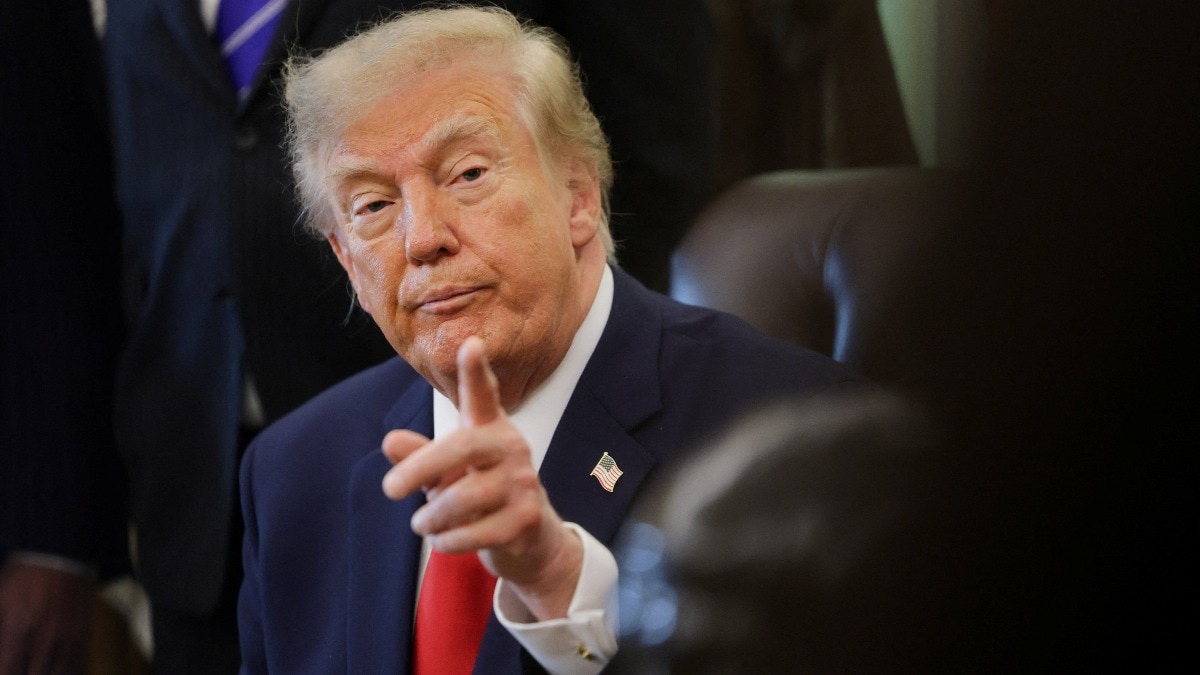
The Supreme Court's latest term has seen a blend of outcomes for former President Trump, with some rulings limiting his agenda while others bolster executive power.
Context
The Supreme Court's decisions this term reflect a complex relationship between the judiciary and the presidency, particularly regarding Trump's policies.S1S2
Key points
- The court ruled against Trump on tariffs, signaling limits on executive power in trade matters.S1
- Birthright citizenship was another area where the court pushed back against Trump’s proposals.S1
- Despite setbacks, the court's overall rulings have tended to favor conservative positions.S2
- The term highlighted the court's role in checking presidential authority while also affirming executive strength in other areas.S1
- Trump's boldest ideas faced significant scrutiny and resistance from the justices this term.S2
- The rulings indicate a nuanced balance where the presidency remains empowered despite certain limitations.S1
- The court's conservative majority has influenced the outcomes of key cases, shaping the political landscape.S2
- Legal analysts are closely watching how these decisions will affect future presidential actions and policies.S1S2
Why it matters
- The Supreme Court's decisions can have lasting implications on executive power and governance in the U.S.S1
- Understanding the court's stance helps clarify the boundaries of presidential authority in contentious policy areas.S2
What to watch
- Future cases may further define the limits of executive power, particularly in areas like immigration and trade.S1
- The upcoming term will likely continue to reflect the ideological divides within the court.S2