The brief
Recent military actions in the Middle East have raised concerns about the viability of a preliminary cease-fire, with significant developments reported from Iran and U.S. military sites.
Context
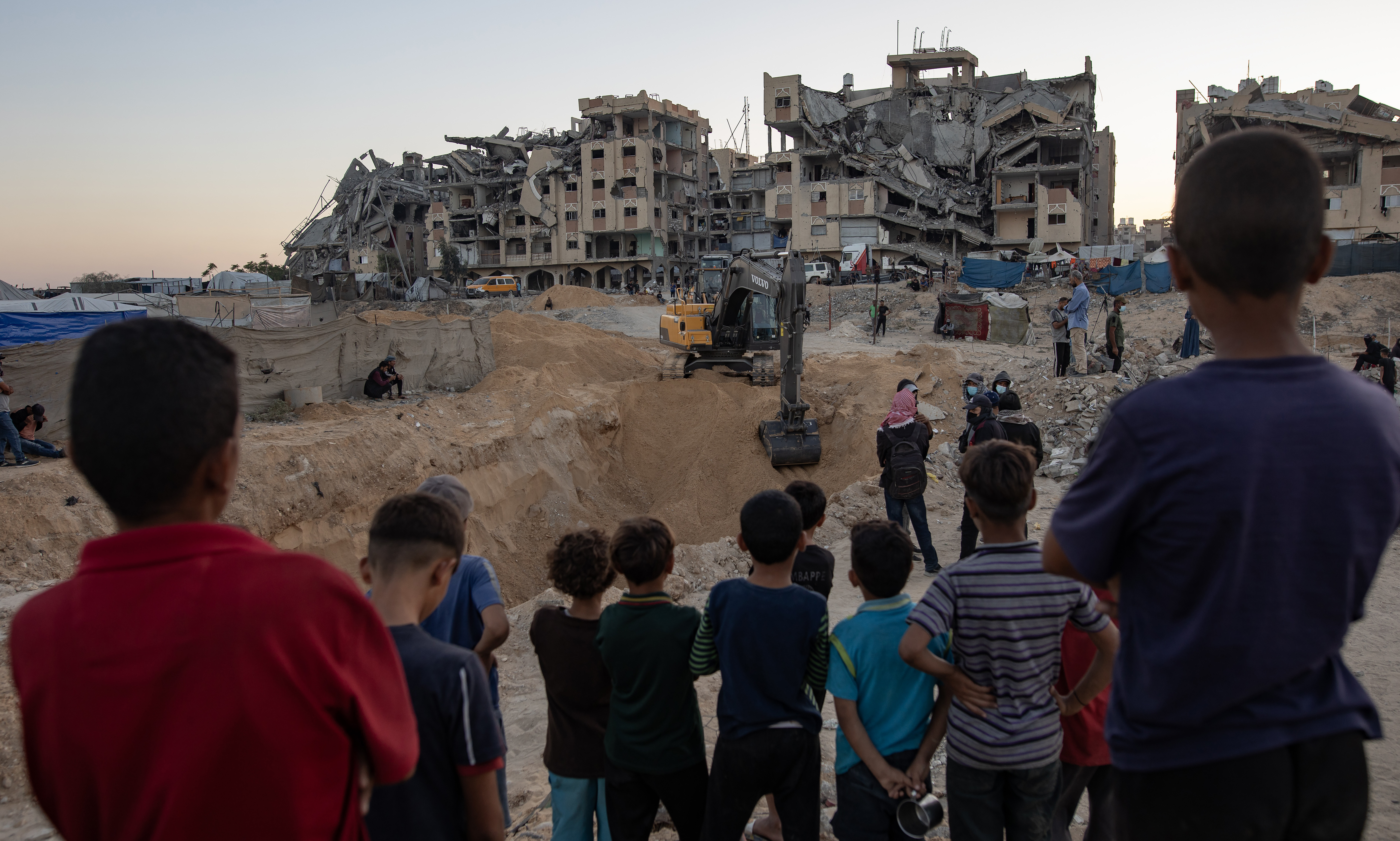
The situation in the Middle East remains tense as renewed strikes have occurred, leading to skepticism about the ongoing cease-fire efforts.S1S2
Key points
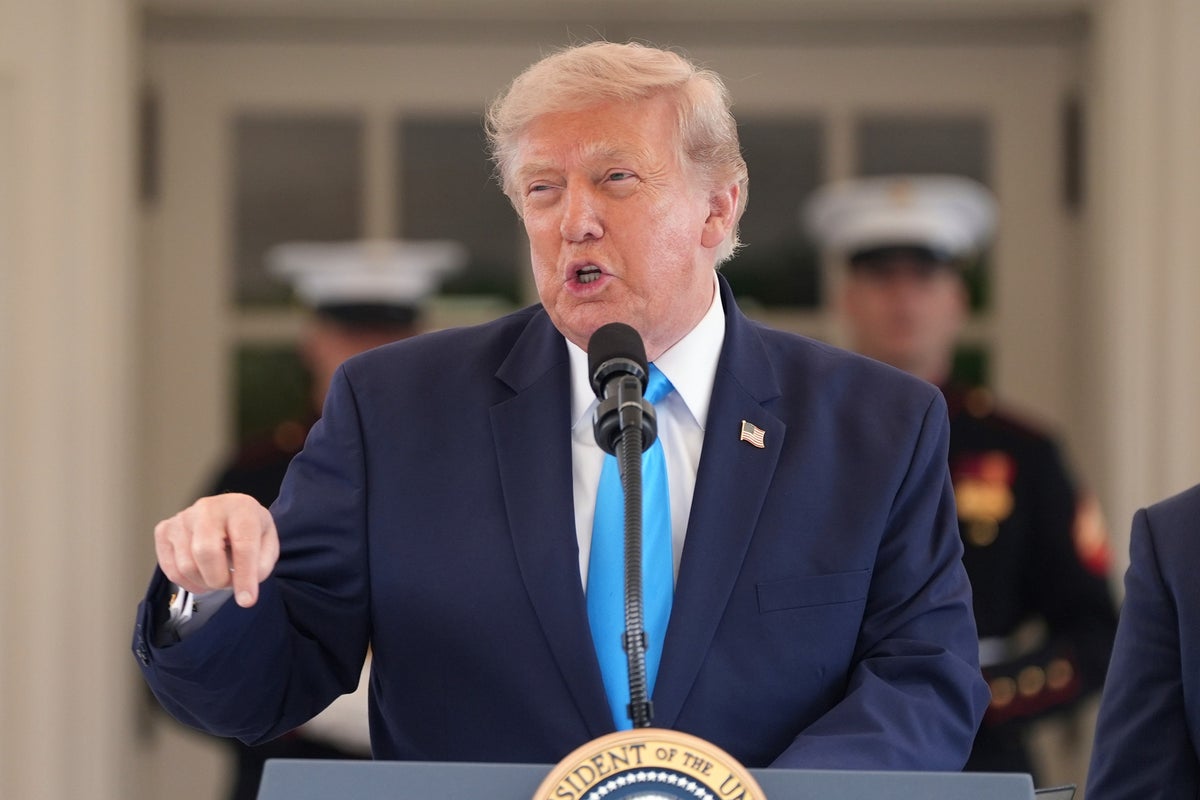
- President Trump expressed doubt about the future of the cease-fire, stating, "I think it’s over."S2
- Iran's armed forces claimed responsibility for targeting U.S. military sites in Bahrain and Kuwait.S2
- The renewed strikes come amid ongoing tensions between the U.S. and Iran.S1
- The situation has prompted discussions about the effectiveness of diplomatic efforts in the region.S1
- Military actions have escalated, complicating the cease-fire negotiations.S1
- The U.S. has conducted attacks that Iran has responded to, indicating a cycle of retaliation.S2
- Analysts are closely monitoring the implications of these strikes on regional stability.S1
- The cease-fire was initially seen as a potential step towards de-escalation in the region.S1
Why it matters
- The collapse of the cease-fire could lead to increased military conflict in the Middle East.S1
- Continued hostilities may affect U.S. military presence and strategy in the region.S2
- The situation could have broader implications for international relations and security.S1
What to watch
- Monitor further statements from U.S. and Iranian officials regarding military actions and cease-fire status.S2
- Watch for potential diplomatic efforts aimed at restoring the cease-fire.S1
- Keep an eye on developments in U.S. military operations in response to Iranian actions.S2