The brief
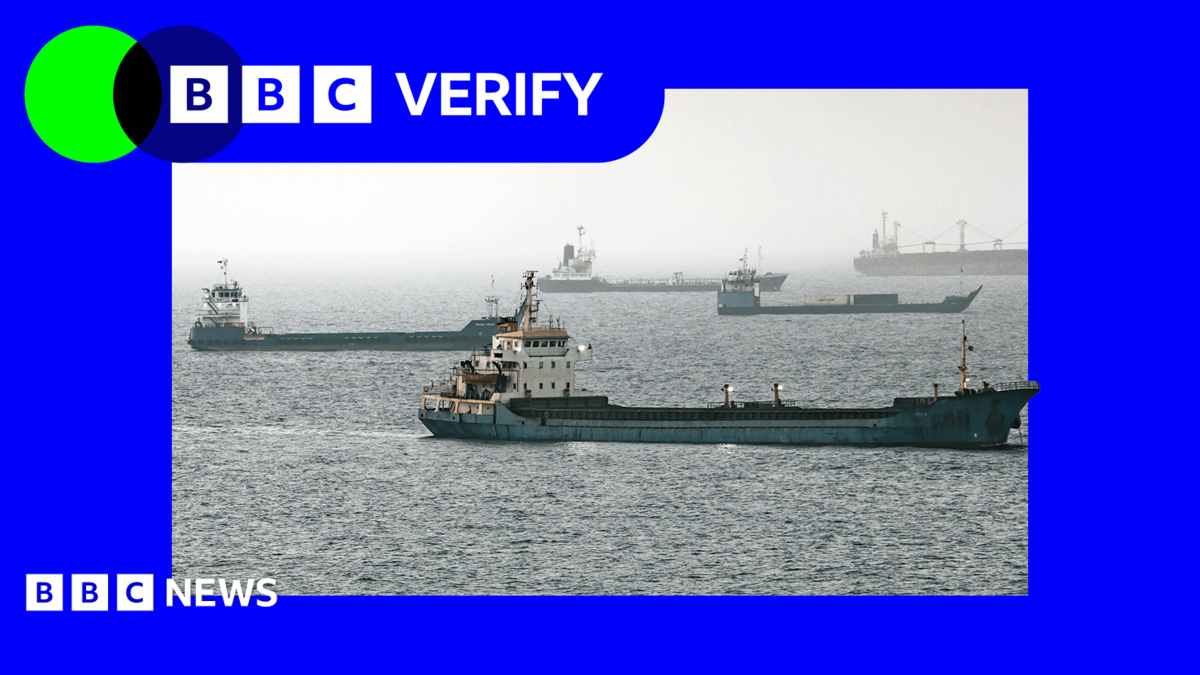
Traffic through the Strait of Hormuz has significantly decreased following renewed military strikes between the US and Iran.
Context
The Strait of Hormuz is a vital maritime route for global oil shipments, making fluctuations in traffic through this area significant for international trade and energy markets.S1
Key points
- Traffic through the Strait of Hormuz fell to 23 vessels on Wednesday.S1
- This is a decrease from 47 vessels the previous week.S1
- The decline follows a series of airstrikes exchanged between the US and Iran.S2
- The US strikes were intensified after the collapse of a preliminary peace agreement.S2
- The maritime intelligence firm Kpler reported the traffic figures.S1
- The recent military actions were in response to an attack on three tankers earlier this week.S1
- The Strait of Hormuz is crucial for oil transportation, impacting global markets.S1
- The situation reflects ongoing tensions between the US and Iran in the region.S2
Why it matters
- A reduction in traffic through the Strait could lead to increased oil prices globally.S1
- The ongoing conflict may disrupt international shipping routes, affecting trade.S1
- Heightened military tensions could escalate further, impacting regional stability.S2
What to watch
- Monitor developments in US-Iran relations and any potential diplomatic efforts.S2
- Watch for changes in oil prices as a result of the decreased shipping traffic.S1
- Keep an eye on maritime security measures in the Strait of Hormuz.S1