The brief
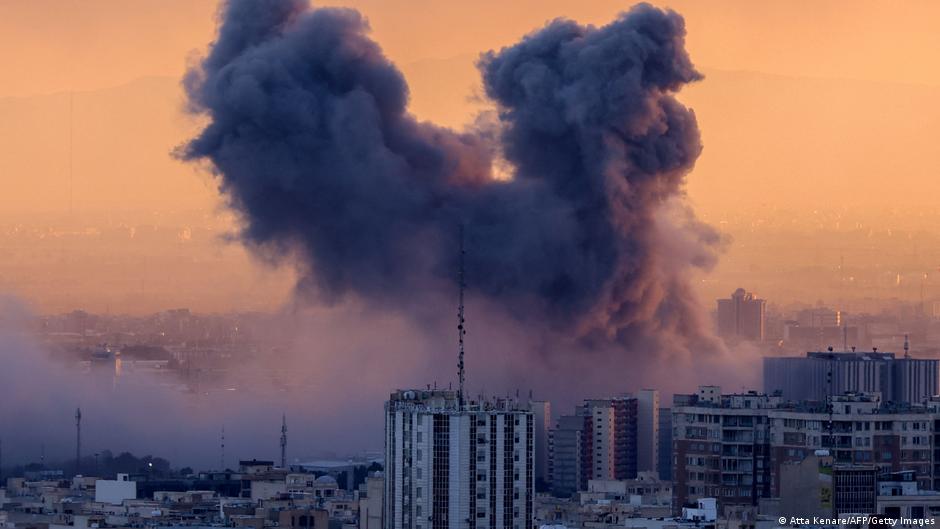
Recent US air strikes against Iran have intensified tensions in the region, prompting Iran to retaliate and threaten US military bases.
Context
The situation follows a series of US military actions and Iran's response during a significant period marked by political events.S1S2
Key points
- The US has conducted multiple air strikes against Iran, marking a significant escalation in military actions.S1
- Iran has retaliated by targeting US military bases in Jordan, Bahrain, and Kuwait.S1
- The US strikes occurred during the funeral ceremonies for Ayatollah Ali Khamenei, a critical moment in Iranian politics.S2
- Iran is increasing pressure on US allies in the region as part of its response to the strikes.S2
- Backchannel talks between the US and Iran are reportedly ongoing despite public claims of a ceasefire being over.S2
- The renewed conflict comes at a politically sensitive time for the US, with midterm elections approaching.S2
- Both the US and Iran appear to be seeking to avoid a prolonged conflict, which could have broader implications.S2
- The situation highlights the fragile nature of US-Iran relations and the potential for further military engagement.S1S2
Why it matters
- The escalation of military actions could destabilize the region further and impact US foreign policy.S1
- Increased tensions may affect the security of US allies in the Middle East, raising concerns about regional stability.S2
- The ongoing conflict could influence the outcome of US midterm elections, affecting domestic and foreign policy decisions.S2
What to watch
- Monitor developments in US-Iran backchannel negotiations as both sides seek to manage the conflict.S2
- Watch for potential responses from US allies in the region following Iran's threats to military bases.S2
- Keep an eye on the political implications of the conflict as the US midterm elections approach.S2