
The brief
Recent escalations in conflict between the US and Iran have led to attacks on vessels in the Strait of Hormuz, prompting President Trump to propose a toll on commercial shipping.
Context
The Strait of Hormuz is a critical waterway for global oil transport, and recent military actions have heightened tensions in the region.S1
Key points
- Fighting between the US and Iran has intensified, resulting in attacks on vessels in the Strait of Hormuz.S1
- At least two people have been reported killed in the recent attacks on vessels.S1
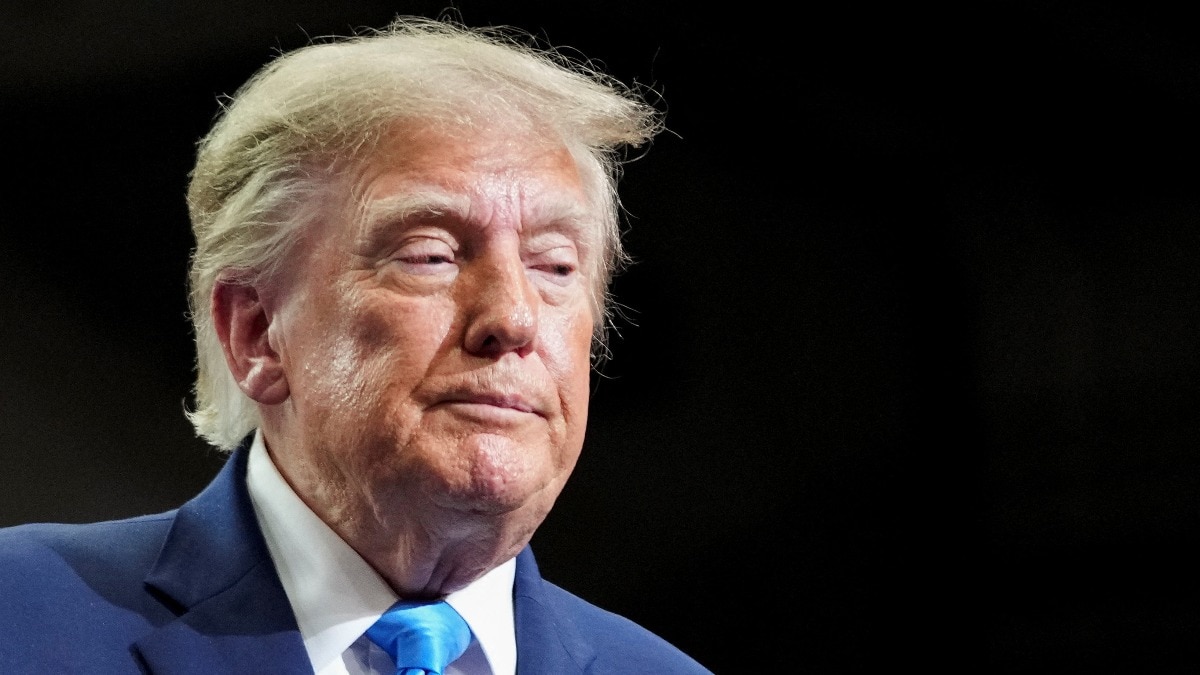
- President Trump stated that the US will act as the "guardian" of the Strait of Hormuz.S1
- Trump announced a 20 percent fee on cargo passing through the waterway.S2
- The proposed toll is intended to reimburse the US for its protective role in the region.S1
- The US administration has previously indicated that such fees may violate international law.S2
- The Strait of Hormuz is a vital passage for oil shipments, making security in the area crucial for global markets.S1
- The situation remains fluid, with potential implications for international shipping and regional stability.S1
Why it matters
- The Strait of Hormuz is a key chokepoint for global oil supply, and disruptions can impact energy prices worldwide.S1
- Increased military presence and conflict in the region could escalate tensions between the US and Iran further.S1
- The proposed toll raises questions about international shipping laws and the US's role in global maritime security.S2
What to watch
- Monitor developments regarding US military actions in the Strait of Hormuz and their impact on shipping.S1
- Watch for responses from Iran regarding the US's proposed toll and military presence.S1
- Keep an eye on global oil prices as tensions in the Strait of Hormuz evolve.S1




/file/attachments/2998/14341149_774243.jpg)