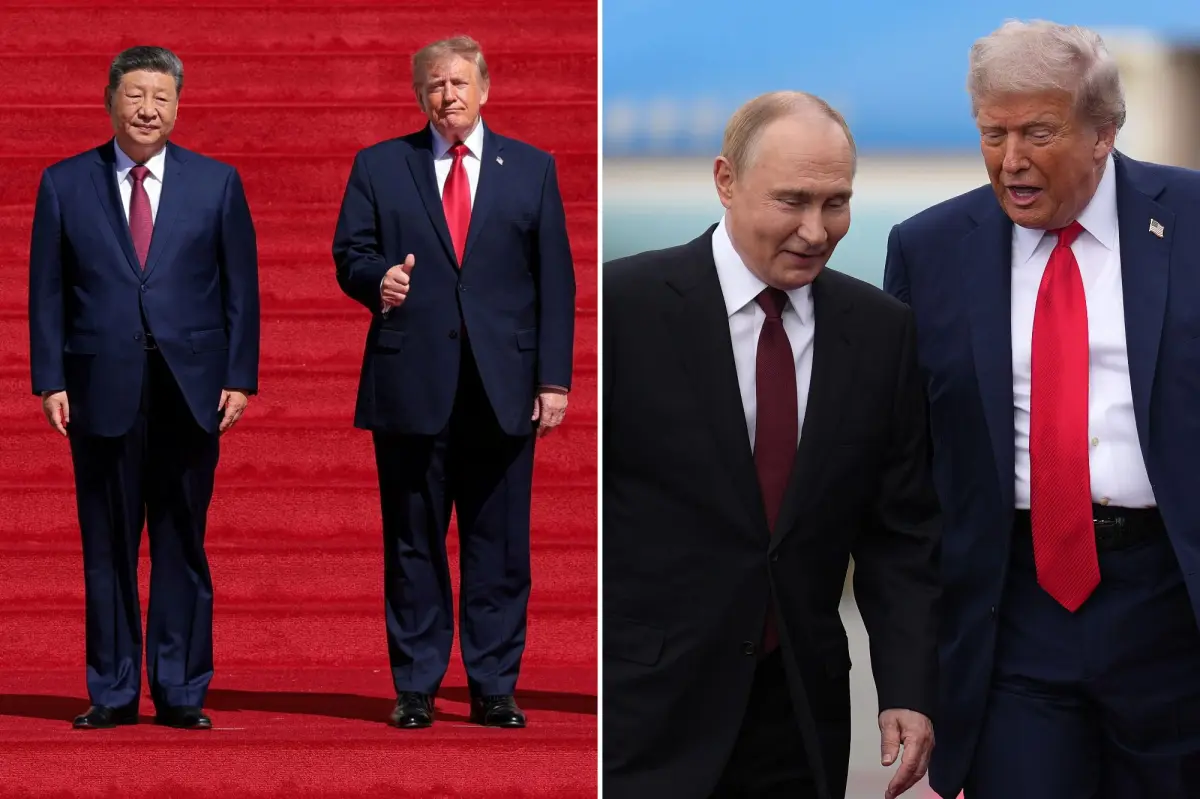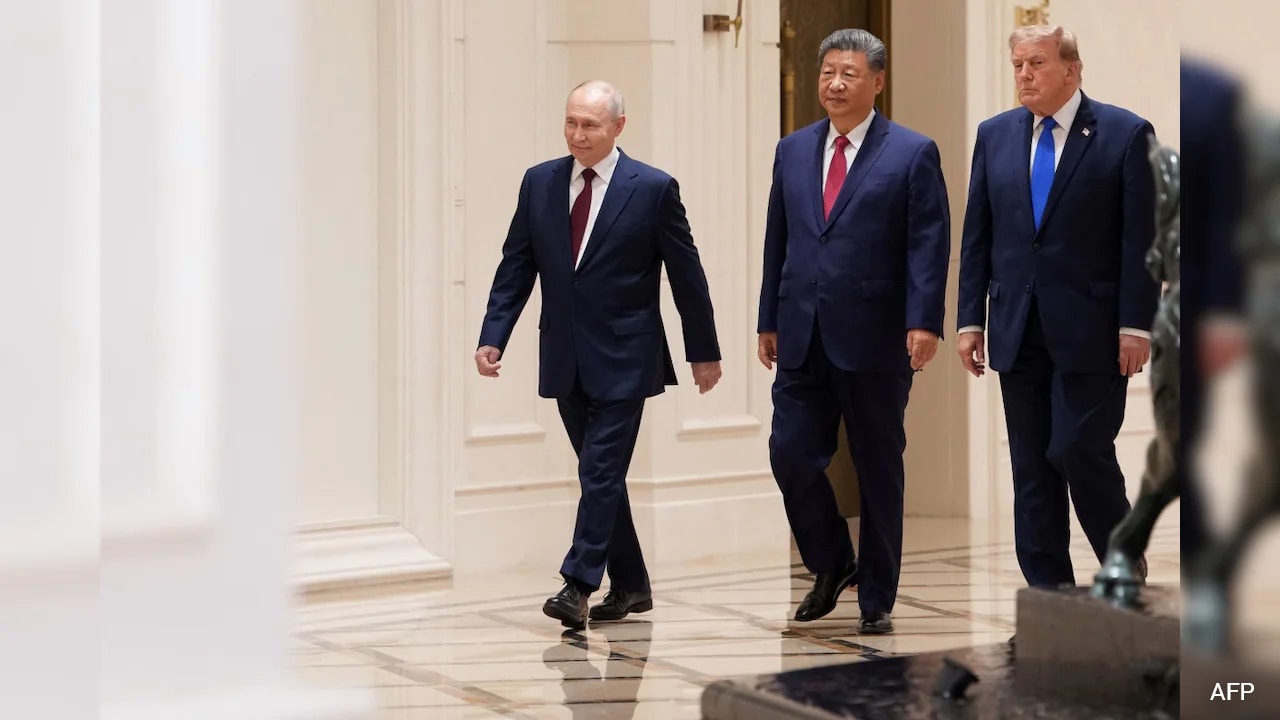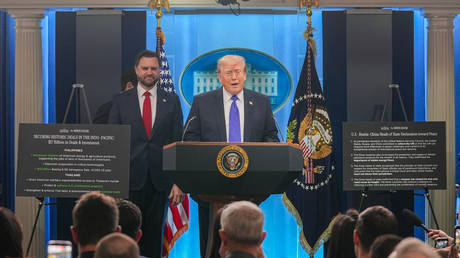
US President Donald Trump praised what he called a historic trilateral summit with Russian President Vladimir Putin and Chinese leader Xi Jinping, speaking at a White House press conference after returning from the Asia-Pacific Economic Cooperation (APEC) summit in Shenzhen. Trump described the four-day Asian tour as one of the most successful presidential visits to the region in American history and said he met more than 20 world leaders during it.
Trump acknowledged that APEC had increasingly become dominated by the three major powers, saying other participants felt "a little bit left out" because attention centred on three countries. He called the first-ever trilateral meeting "one of the most momentous international summits in many years" and said "the relationship was fantastic between the three of us." According to Trump, the leaders discussed their shared responsibility to prevent nuclear conflict, energy cooperation, Iran, the Korean Peninsula and the Ukraine conflict, and the talks produced a trilateral peace declaration with commitments to reduce nuclear risks and expand dialogue between the world's leading nuclear powers.S1
In his bilateral meeting with Putin, Trump said the focus was ending the Ukraine conflict, with the Russian leader expressing a desire for a diplomatic settlement. Trump claimed Putin had said the conflict would never have erupted had Trump been in office, while blaming continued fighting largely on personal animosity between Putin and Ukrainian leader Volodymyr Zelensky. Asked about NATO Article 5-style security guarantees for Kyiv, Trump declined to discuss them before a deal was reached, saying, "we got to get a deal first."S1
Trump described his bilateral meeting with Xi as "very productive," saying they discussed trade, advanced technology and ways to manage economic competition between Washington and Beijing. He praised China's rapid development and the transformation of Shenzhen into a major economic and technological hub, and said he had agreed with Xi to develop joint safeguards for advanced artificial intelligence, which he calls "superintelligence."S1