The brief
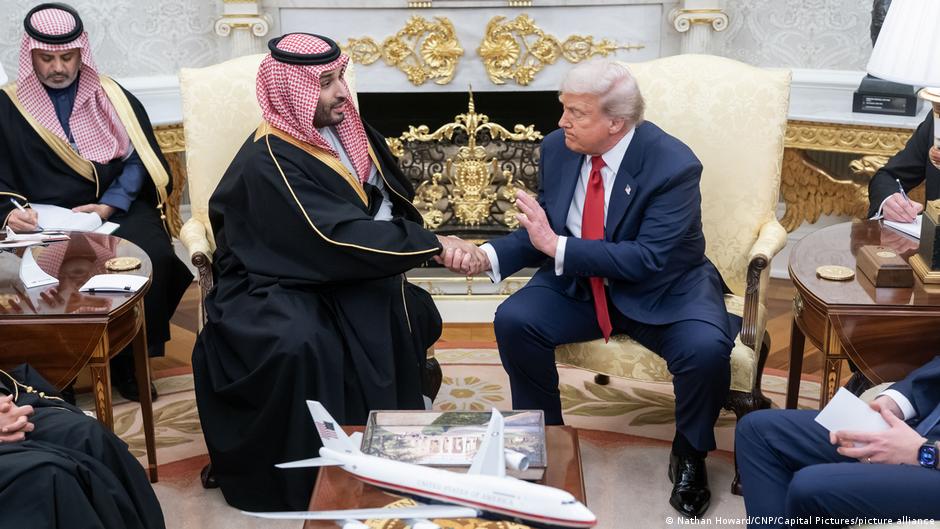
The recent agreement between the United States and Saudi Arabia to transfer nuclear technology has raised alarms about potential security implications in the Middle East.
Context
The deal, which spans 30 years, allows Saudi Arabia to enrich uranium, a critical step towards developing nuclear weapons. This has led to fears of a nuclear arms race in the region.S1
Key points
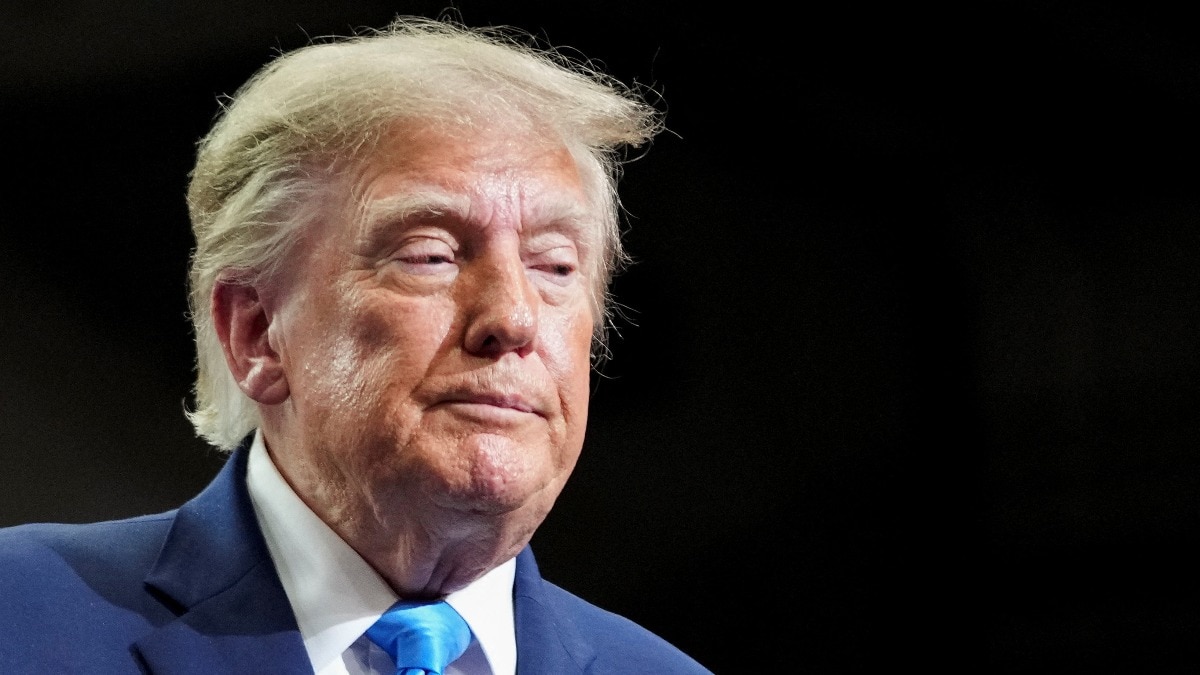
- The US-Saudi nuclear deal has been agreed upon by President Donald Trump.S1
- Critics highlight that the deal is not well-received by US allies, including Israel and the UAE.S2
- Reports indicate that the US may be reconsidering its commitment to the deal.S2
- The ability for Saudi Arabia to enrich uranium is a significant aspect of the agreement.S1
- The deal is seen as a potential shift in the balance of power in the region.S1
- There are fears that other countries in the Middle East may pursue similar nuclear capabilities in response.S1
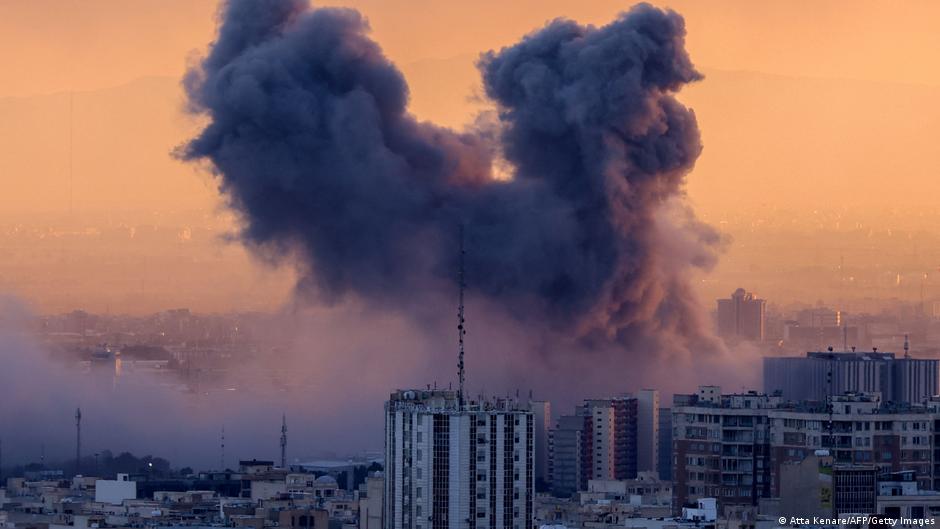
- The implications of the deal extend beyond regional security to US-Iran relations.S2
Why it matters
- The deal could alter the security landscape in the Middle East, prompting other nations to seek nuclear capabilities.S1
- It raises questions about the effectiveness of non-proliferation efforts in the region.S1
- The agreement may strain US relations with key allies who are concerned about a nuclear-armed Saudi Arabia.S2
What to watch
- Monitor reactions from Israel and the UAE regarding the nuclear deal.S2
- Watch for any changes in US policy or commitments related to the deal.S2
- Observe how regional powers respond to Saudi Arabia's potential nuclear capabilities.S1





/file/attachments/2998/14341149_774243.jpg)