🌎 Americas · English
Current: 🌎 Americas · English
Global
Focused
Language
Thursday 30 July
🌎 Americas · English
Current: 🌎 Americas · English
Global
Focused
Language

Trump's New Tariffs Spark Controversy Over Forced Labor Claims

United States
The brief

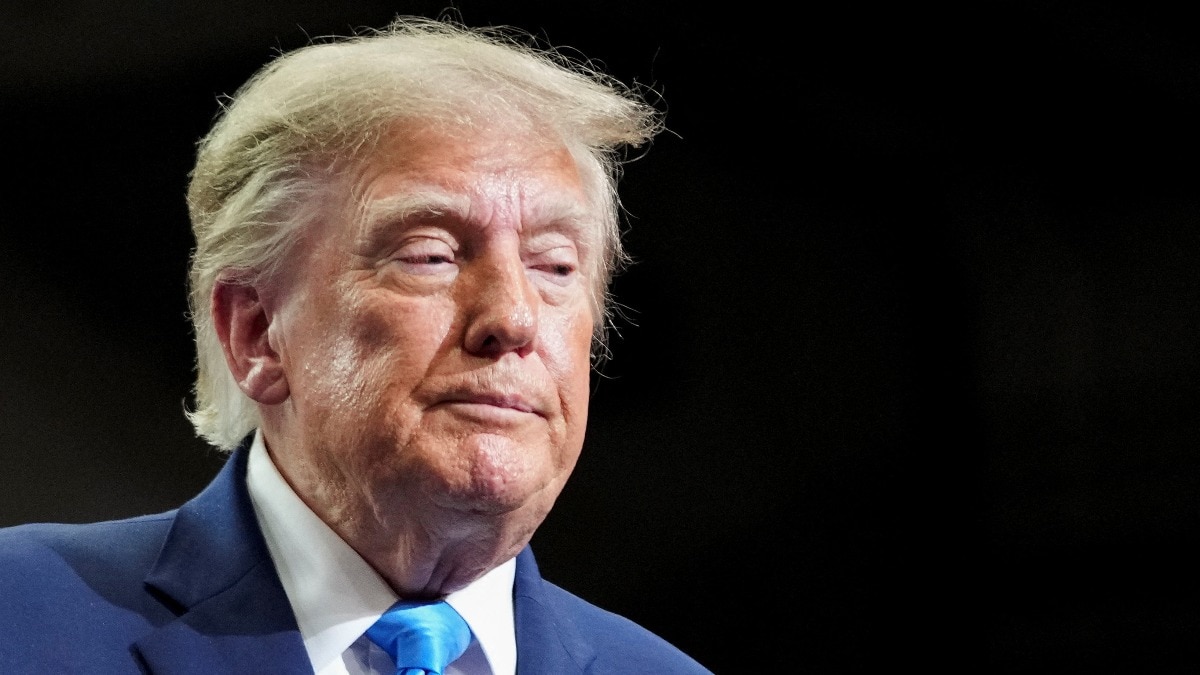
President Trump is facing backlash for implementing new tariffs linked to allegations of forced labor, with critics arguing that this move serves as a convenient justification for increased trade barriers.

Context

The tariffs, ranging from 10% to 12.5%, target over 80 countries and are part of Trump's ongoing trade policy efforts.S1S2

Key points

  • Trump's administration has been criticized for using forced labor allegations as a pretext for tariffs.S1
  • Democrats have accused Trump of exploiting human rights issues to justify economic measures.S1
  • The new tariffs follow the Supreme Court's decision to strike down previous emergency tariffs.S2
  • The White House is utilizing a trade law that addresses human rights abuses to impose these tariffs.S2
  • Critics warn that these tariffs could lead to higher prices for American consumers.S1
  • The tariffs affect a wide range of countries, raising concerns about international trade relations.S1
  • The debate over these tariffs highlights the complexities of linking trade policy with human rights issues.S2
  • There is confusion globally regarding the rationale behind these new tariffs.S2

Why it matters

  • The tariffs could impact consumer prices in the U.S., affecting everyday goods.S1
  • This move may set a precedent for how human rights issues are addressed in trade policy.S2

What to watch

  • Monitor reactions from affected countries regarding the new tariffs.S1
  • Watch for potential legal challenges to the tariffs based on trade laws.S2
Timeline · newest first
6d The Guardian

Democrats accuse Trump of using forced labor as ‘convenient’ justification for tariffs

US president faced criticism after officials announced tariffs of between 10% and 12.5% on more than 80 countriesUS politics live – latest updatesDonald Trump has been accused of u…

6d Deutsche Welle

Why Trump's 'forced labor' tariffs leave the world puzzled

After the US Supreme Court struck down Donald Trump's emergency tariffs, the White House has turned to another trade law linked to alleged human rights abuses. DW explains the new…

Trump's New Tariffs Spark Controversy Over Forced Labor Claims

2 outlets 2 reports
The brief

President Trump is facing backlash for implementing new tariffs linked to allegations of forced labor, with critics arguing that this move serves as a convenient justification for increased trade barriers.

Context

The tariffs, ranging from 10% to 12.5%, target over 80 countries and are part of Trump's ongoing trade policy efforts.S1S2

Key points

  • Trump's administration has been criticized for using forced labor allegations as a pretext for tariffs.S1
  • Democrats have accused Trump of exploiting human rights issues to justify economic measures.S1
  • The new tariffs follow the Supreme Court's decision to strike down previous emergency tariffs.S2
  • The White House is utilizing a trade law that addresses human rights abuses to impose these tariffs.S2
  • Critics warn that these tariffs could lead to higher prices for American consumers.S1
  • The tariffs affect a wide range of countries, raising concerns about international trade relations.S1
  • The debate over these tariffs highlights the complexities of linking trade policy with human rights issues.S2
  • There is confusion globally regarding the rationale behind these new tariffs.S2

Why it matters

  • The tariffs could impact consumer prices in the U.S., affecting everyday goods.S1
  • This move may set a precedent for how human rights issues are addressed in trade policy.S2

What to watch

  • Monitor reactions from affected countries regarding the new tariffs.S1
  • Watch for potential legal challenges to the tariffs based on trade laws.S2
Timeline · newest first

Sources · 2 citations

S1 The Guardian 1 report · EN
S2 Deutsche WelleLead 1 report · EN