
The brief
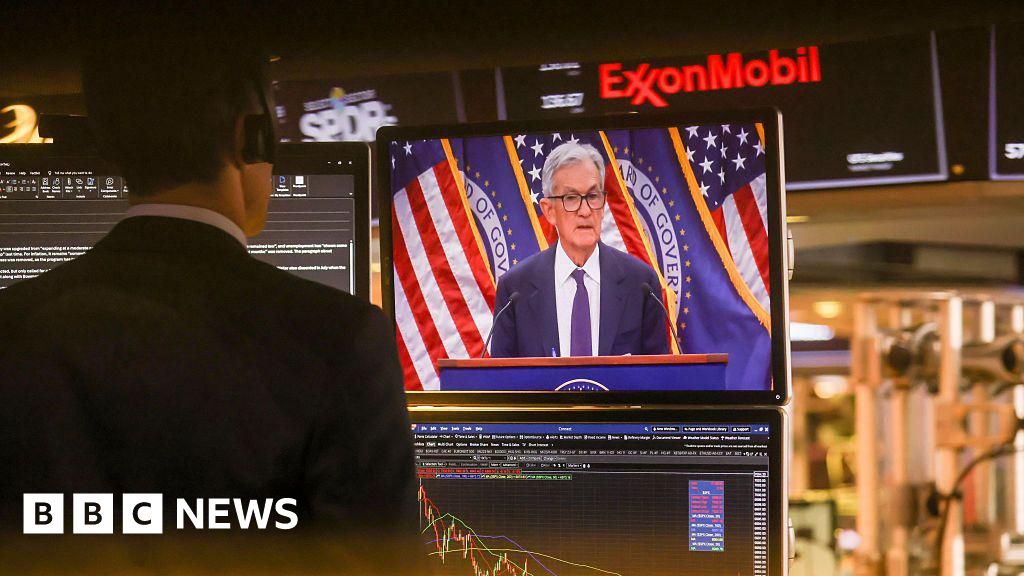
The US Federal Reserve has decided to keep interest rates steady, citing ongoing concerns about elevated inflation influenced by supply shocks, particularly in energy prices.
Context
This decision marks the fifth consecutive time the Fed has opted not to change rates since December, reflecting a cautious approach amid fluctuating economic indicators.S2
Key points
- The Fed's decision comes as inflation remains elevated, partly due to supply shocks affecting prices.S1
- Energy prices have been rising, influenced by a fragile peace deal between the US and Iran.S2
- Recent inflation data has been cooler, which has eased expectations for immediate rate hikes.S2
- Former President Donald Trump has renewed calls for the Fed to lower interest rates.S2
- The Fed's steady rates aim to balance economic growth with inflation control.S1
- The ongoing geopolitical tensions are contributing to uncertainty in energy markets.S2
- The Fed's current stance reflects a broader strategy to manage inflation without stifling economic recovery.S1
- Market reactions to the Fed's decision indicate a cautious outlook among investors.S2
Why it matters
- Maintaining steady interest rates can help support economic stability during uncertain times.S1
- Inflation control is crucial for preserving purchasing power and economic growth.S1
- The Fed's decisions impact borrowing costs for consumers and businesses, influencing overall economic activity.S2
What to watch
- Monitor future inflation reports to see if they influence the Fed's rate decisions.S1
- Watch for developments in US-Iran relations and their impact on energy prices.S2
- Keep an eye on political pressures regarding interest rates, especially from figures like Donald Trump.S2






/file/attachments/2998/14341149_774243.jpg)