The brief
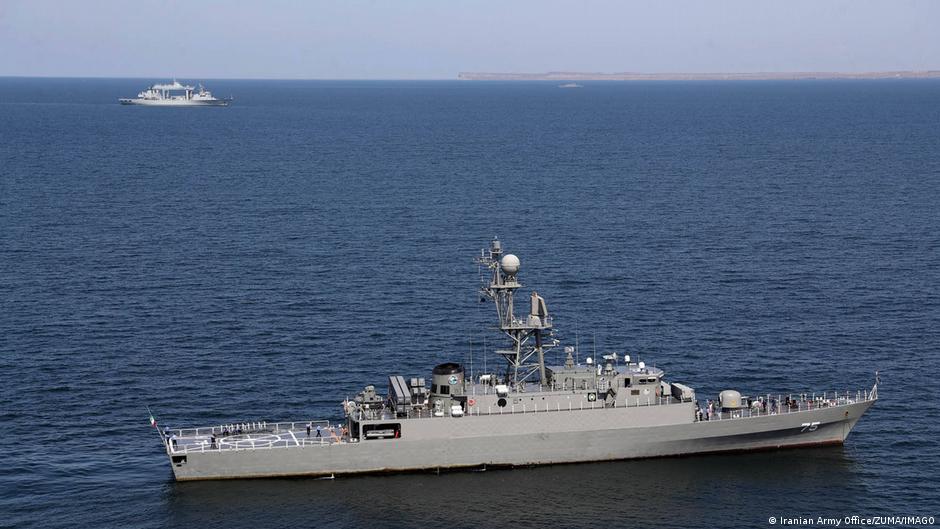
Iran has begun permitting grain ships to pass through the Strait of Hormuz, aiming to alleviate food supply issues amid ongoing geopolitical tensions.
Context
The decision follows a period where Iran had effectively blocked the waterway in response to conflicts involving the US and Israel, which has significantly impacted its agricultural sector.S1
Key points
- Iran's approval for grain ships is part of efforts to stabilize its food supply.S1
- Negotiations between countries and companies have facilitated the passage of these vessels.S2
- The Strait of Hormuz is a critical chokepoint for global oil and grain shipments.S2
- Iran's agricultural challenges have been exacerbated by the blockade.S1
- Emerging patterns in shipping routes are being observed as more vessels seek passage.S2
- The move may signal a shift in Iran's approach to international maritime negotiations.S2
- Iran's actions could influence global grain markets amid rising food prices.S1
- The situation reflects broader geopolitical dynamics in the region involving the US and Israel.S1
Why it matters
- Allowing grain shipments could help mitigate food shortages in Iran.S1
- The decision may impact international relations and trade routes in the region.S2
- This development highlights the ongoing complexities of maritime security in the Strait of Hormuz.S2
What to watch
- Monitor further developments in shipping negotiations with Iran.S2
- Watch for potential changes in food prices globally as a result of this decision.S1
- Observe how this affects Iran's relations with other countries in the region.S2