The brief
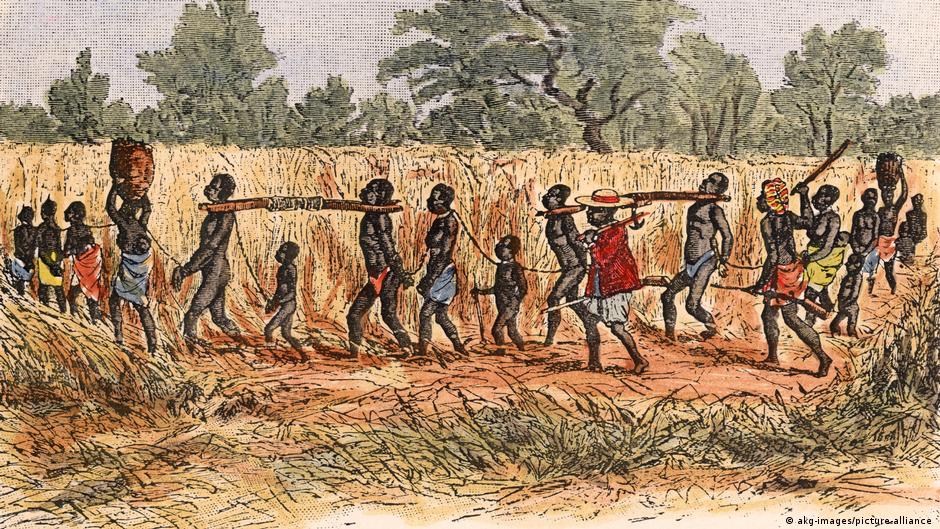
The United Nations has adopted a resolution declaring the transatlantic slave trade as the 'gravest crime against humanity' and has called for reparations.
Context
This resolution aims to address historical injustices and has garnered significant support from various nations and organizations.S1S2
Key points
- It received backing from the African Union and the Caribbean Community.S1
- A total of 123 countries voted in favor of the resolution.S2
- Three countries opposed the resolution, including the US and Israel.S2
- The resolution is not legally binding but holds political significance.S2
- It calls for reparatory justice as a step towards remedying historical wrongs.S1
- The vote reflects a growing recognition of the impacts of slavery.S1
- Supporters view the resolution as a means to achieve political recognition at high levels.S1
Why it matters
- The resolution highlights the ongoing discourse around reparations for historical injustices.S1
- It may influence future discussions on racial justice and equity globally.S2
What to watch
- Monitor responses from countries that opposed the resolution.S2
- Watch for potential actions or statements from the African Union and Caribbean Community regarding reparations.S1





/file/attachments/2998/14341149_774243.jpg)