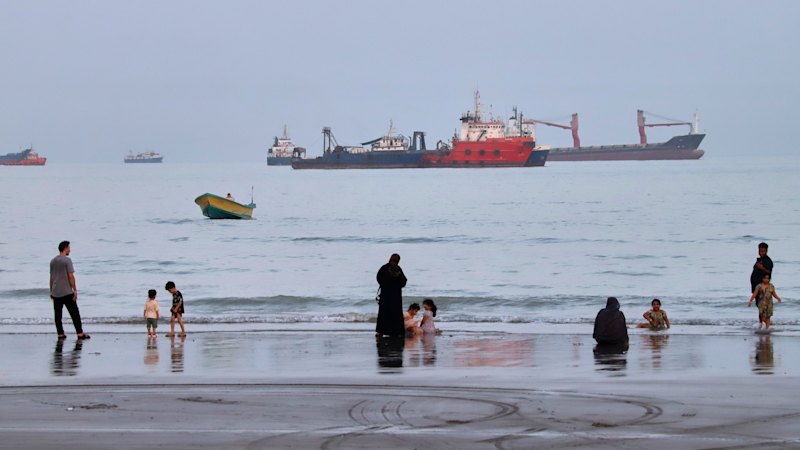
The brief
Iran has set new conditions for reopening the Strait of Hormuz, complicating U.S. efforts to ensure safe passage in the vital waterway.
Context
The Strait of Hormuz is a crucial maritime route for global oil shipments, and tensions in the region have escalated recently due to military actions and diplomatic negotiations.S1S6
Key points
- Iran's Islamic Revolutionary Guard Corps (IRGC) has outlined specific conditions for reopening the Strait of Hormuz.S1
- The U.S. is seeking commitments from Iran to cease attacks on vessels in the waterway.S1
- Yemen's military has launched attacks against Iranian-backed Houthi rebels amid the rising tensions.S2S3
- Iran's new demands complicate diplomatic efforts to stabilize the region.S6
- The situation in the Strait of Hormuz is critical for international shipping and energy supplies.S1
- The U.S. continues to monitor the situation closely as it seeks to ensure maritime security.S1
Why it matters
- The Strait of Hormuz is a key chokepoint for global oil transportation, making stability in the region essential for the global economy.S1
- Increased military actions and demands from Iran could lead to further escalation and conflict in the region.S2
- The U.S. and its allies are concerned about the implications of Iran's demands on international shipping routes.S6
What to watch
- Monitor developments regarding U.S.-Iran negotiations and any potential responses from Iran.S1
- Watch for further military actions in the region, particularly involving the UAE and Houthi forces.S2
- Keep an eye on global oil prices as tensions in the Strait of Hormuz could impact supply chains.S1





/file/attachments/2998/14341149_774243.jpg)