The brief
Israeli Prime Minister Benjamin Netanyahu has publicly rejected a US-backed peace plan for Gaza, emphasizing the need for Hamas to disarm before any negotiations can proceed.
Context
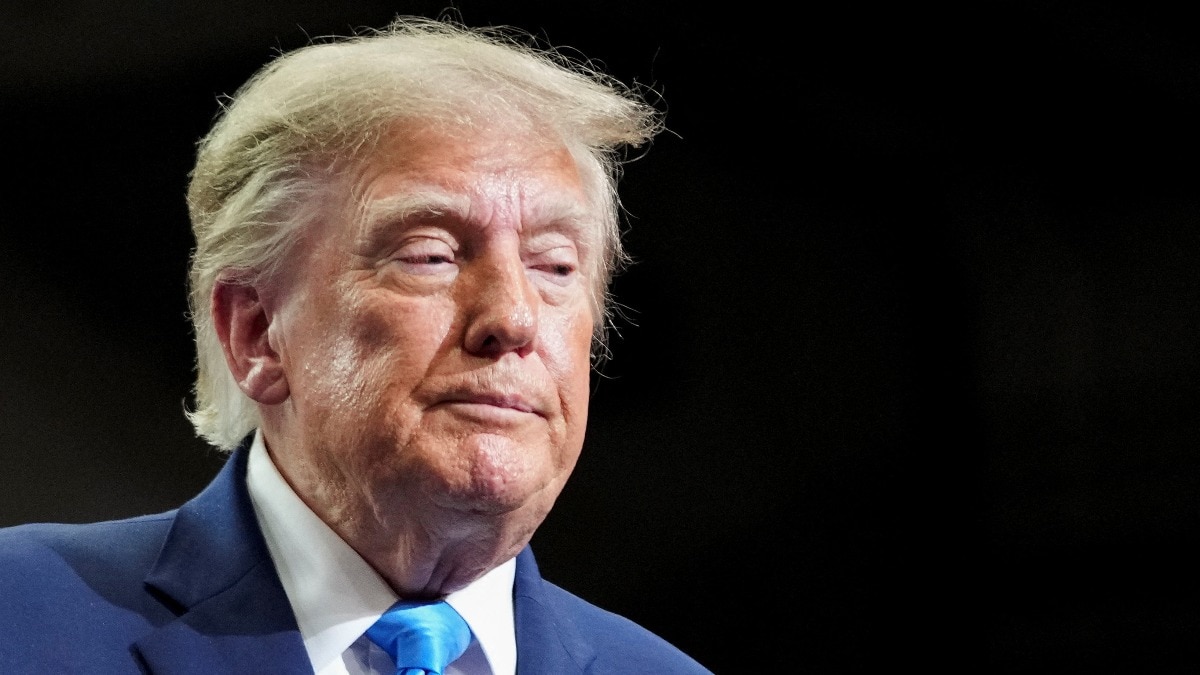
Netanyahu's rejection marks a significant divergence from US President Donald Trump's approach to the Israeli-Palestinian conflict.S1S2
Key points
- Netanyahu stated that the Israeli Defense Forces (IDF) will not withdraw from Gaza until Hamas is disarmed.S1
- The rejection of the peace plan represents a rare public disagreement with the Trump administration.S1
- Netanyahu's comments were made in response to rumors about Israeli weakness and potential withdrawals.S1
- The US-backed peace plan included 15 points aimed at resolving the conflict in Gaza.S1
- Netanyahu's stance indicates a firm position against US pressure to end military actions in the region.S1
- The Israeli Prime Minister's remarks come shortly after Trump announced a 'historic' agreement with Hamas.S2
- Netanyahu's rejection highlights ongoing tensions between Israel and Hamas amid the broader Middle East crisis.S1
- The situation remains fluid, with potential implications for future US-Israel relations.S2
Why it matters
- The rejection of the peace plan could prolong the conflict in Gaza and hinder diplomatic efforts.S1
- Netanyahu's firm stance may impact US foreign policy and its role in Middle Eastern peace negotiations.S2
What to watch
- Monitor any further statements from the Trump administration regarding the peace plan.S2
- Watch for reactions from Hamas and other Palestinian factions in response to Netanyahu's comments.S1
- Observe developments in Israeli military operations in Gaza following this announcement.S1





/file/attachments/2998/14341149_774243.jpg)