The brief
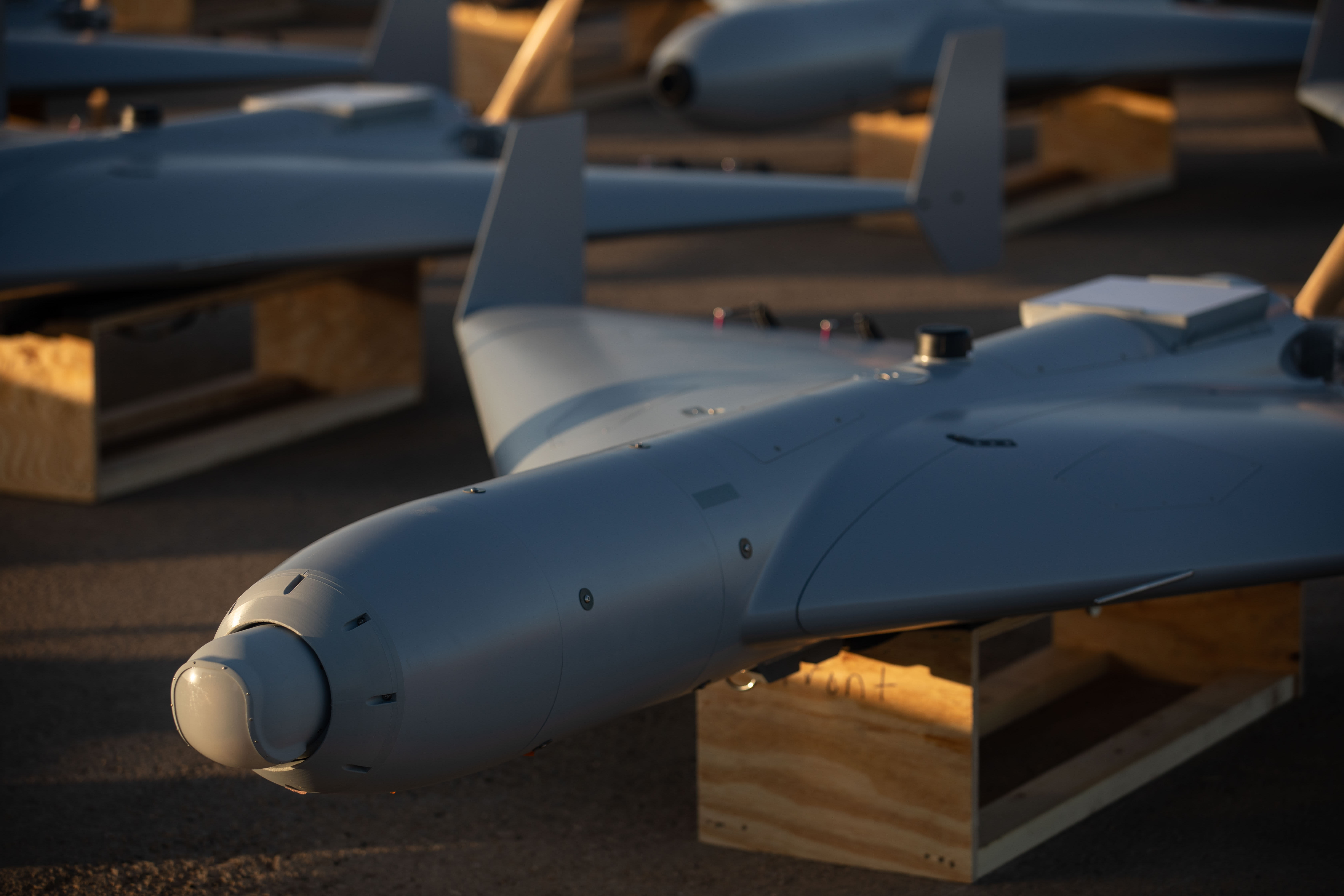
The Trump administration has announced new tariffs on imported drones and their components, aiming to bolster domestic production and reduce reliance on foreign suppliers.
Context
The tariffs are part of a broader strategy to enhance U.S. manufacturing capabilities in the drone sector.S1S2
Key points
- A 15% tariff will be imposed on drones and components from several countries including the EU and Japan.S1
- The tariffs are intended to encourage increased domestic production of drones.S2
- The announcement reflects a shift towards protecting U.S. industries from foreign competition.S1
- The White House stated that the tariffs will help reduce reliance on foreign supply chains.S2
- Countries affected by the tariffs include South Korea, Switzerland, and Taiwan.S1
- The move is part of a larger trend of imposing tariffs on various imported goods.S1
- The administration aims to strengthen national security by boosting local manufacturing.S2
- The tariffs could lead to increased prices for consumers and businesses relying on imported drones.S1
Why it matters
- The tariffs may significantly impact the drone market by shifting production to the U.S.S2
- Reducing reliance on foreign suppliers could enhance national security and economic independence.S2
- The decision reflects ongoing tensions in international trade relations, particularly with key allies.S1
What to watch
- Monitor reactions from affected countries regarding the tariffs and potential retaliatory measures.S1
- Watch for updates on domestic drone production capabilities and investments in the sector.S2
- Keep an eye on consumer prices for drones and related products as tariffs take effect.S1



/file/attachments/2998/14341149_774243.jpg)