The brief
Iran has firmly rejected U.S. President Donald Trump's assertion that he may declare the Strait of Hormuz a U.S. territory, emphasizing the waterway's sovereignty remains with Iran.
Context
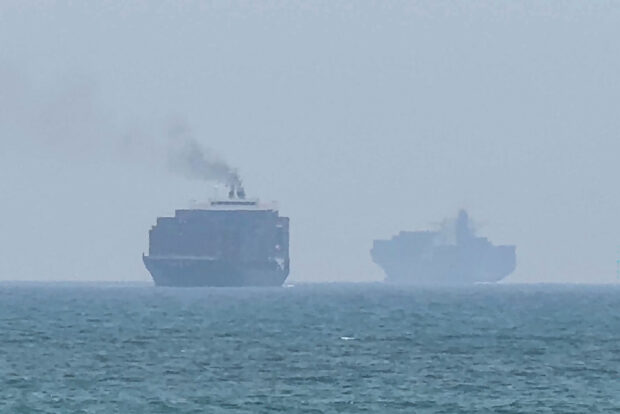
The Strait of Hormuz is a critical maritime route for global oil shipments, and tensions between the U.S. and Iran have escalated amid ongoing conflicts in the region.S1S2
Key points
- Iran stated the Strait of Hormuz will remain under its control, countering Trump's claims.S1
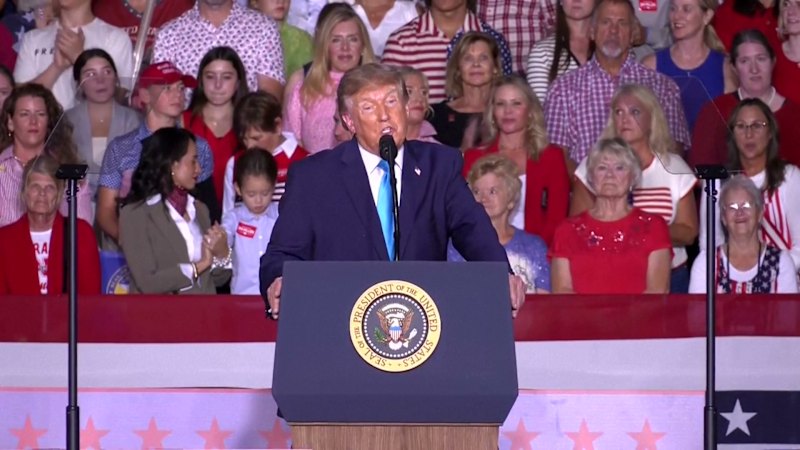
- Trump suggested he might declare the strait a U.S. territory after defeating Iran.S2
- The U.S. maintains a military presence in the region, emphasizing its strategic importance.S2
- Iran's Deputy Foreign Minister reiterated the country's stance on the strait's sovereignty.S1
- Trump's comments were made during a rally for Republican candidates on Long Island.S2
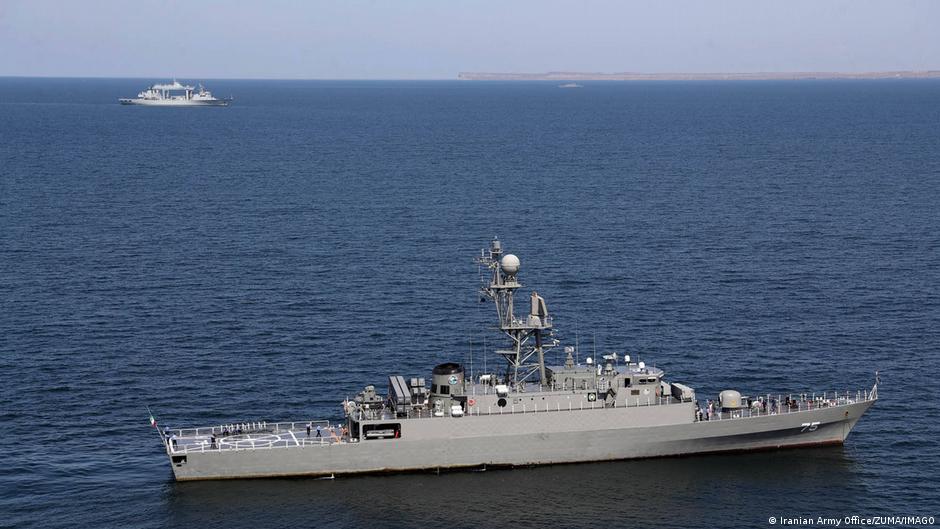
- Iran has effectively blockaded the strait since the onset of the recent Middle East conflict.S1
- Tehran dismissed Trump's remarks as an attempt to assert control over the vital waterway.S3
- The situation reflects ongoing tensions between the U.S. and Iran amid military confrontations.S2
Why it matters
- The Strait of Hormuz is a vital passage for global oil trade, making its control a significant geopolitical issue.S1
- Trump's comments could escalate tensions further, impacting U.S.-Iran relations and regional stability.S2
- Iran's response highlights its commitment to maintaining sovereignty over its territorial waters.S1
What to watch
- Monitor developments in U.S.-Iran relations as the conflict evolves and Trump's statements continue.S2
- Watch for potential military actions or responses from Iran regarding the Strait of Hormuz.S1
- Keep an eye on international reactions to the escalating rhetoric between the U.S. and Iran.S3