The brief
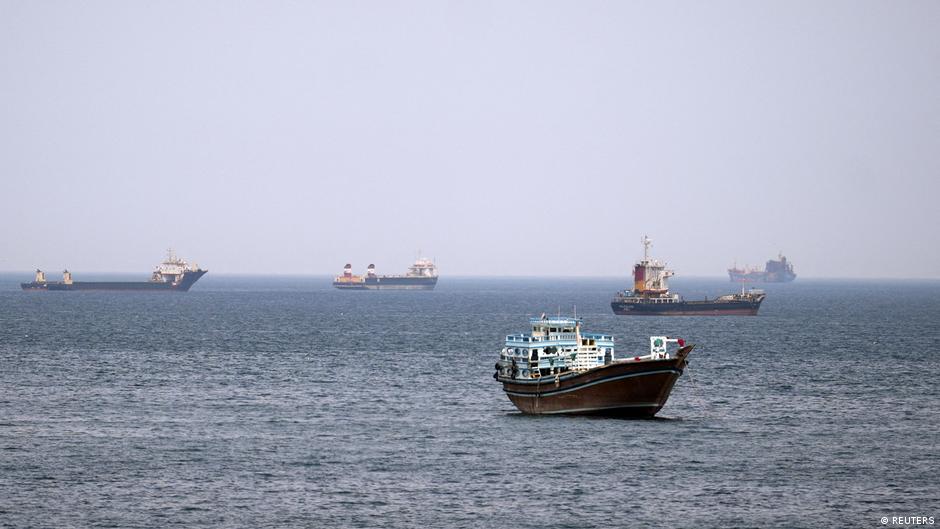
The United States has escalated its threats against Iranian boats laying mines in the Strait of Hormuz, with President Trump stating a directive to 'shoot and kill' such vessels.
Context
Tensions in the region have been heightened due to ongoing conflicts over oil transport and military presence.S1S2
Key points
- President Trump has ordered US forces to take lethal action against Iranian boats laying mines.S2
- The US intercepted a tanker carrying Iranian oil, indicating ongoing enforcement of sanctions.S1
- Iranian leaders have rejected the possibility of peace talks while US sanctions remain in place.S2
- The Strait of Hormuz is a critical chokepoint for global oil shipments, increasing the stakes of military actions.S1
- The US continues to bolster its military presence in the region amid rising tensions with Iran.S2
- Iran's leadership is reportedly experiencing internal divisions, complicating the geopolitical landscape.S1
- The situation in the Strait of Hormuz is closely monitored by global markets due to its impact on oil prices.S2
- The US's aggressive stance may provoke further military responses from Iran, escalating the conflict.S1
Why it matters
- The Strait of Hormuz is vital for international oil trade, and disruptions could have global economic implications.S1
- Increased military actions could lead to a broader conflict in the Middle East, affecting regional stability.S2
- The US's approach may influence international relations and alliances in the region, particularly with European nations.S1
What to watch
- Monitor developments regarding US military deployments in the region and their potential impact on Iranian actions.S2
- Watch for responses from Iranian leadership regarding the US's threats and any changes in their military strategy.S1
- Keep an eye on global oil prices as tensions in the Strait of Hormuz could lead to market volatility.S2