The brief
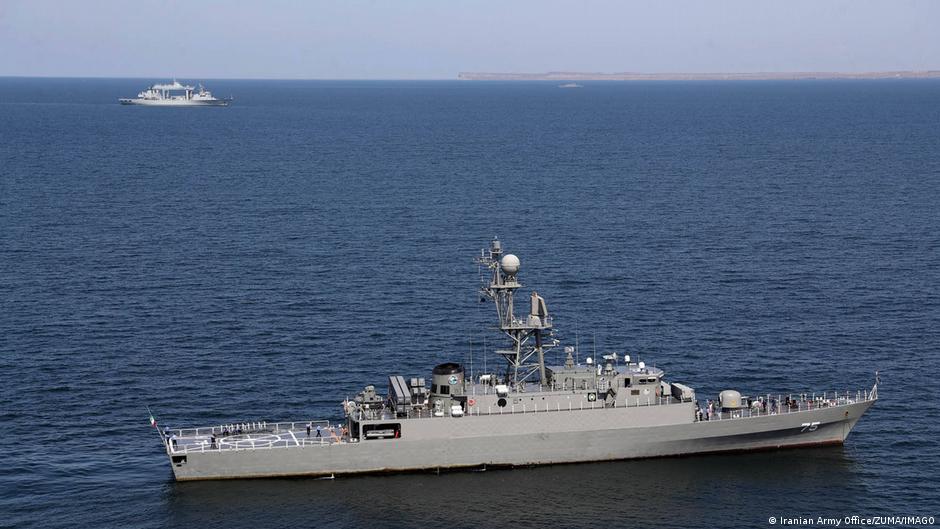
The ongoing rival blockades of the Strait of Hormuz by the US and Iran have intensified, creating a precarious situation in the region.
Context
The Strait of Hormuz is a critical maritime chokepoint for global oil shipments, making the current tensions particularly significant for international trade and security.S1S2
Key points
- The US and Iran are engaged in a standoff that is described as a "test of wills."S1
- Economic costs associated with the conflict are reportedly increasing.S2
- The situation has led to a volatile environment in the Strait of Hormuz.S2
- President Trump is facing political backlash as the conflict escalates.S2
- The blockades have implications for global oil supply and prices.S1
- Tensions in the region have raised concerns among international observers.S1
- The standoff highlights the fragile nature of US-Iran relations.S1
- Military presence in the area has increased as both sides assert their positions.S1
Why it matters
- The Strait of Hormuz is vital for global energy security, with a significant portion of the world's oil passing through it.S1
- Escalating tensions could disrupt international shipping and lead to broader geopolitical conflicts.S2
- The political ramifications for the US could affect domestic policies and international relations.S2
What to watch
- Monitor developments in US-Iran negotiations and military movements in the region.S1
- Watch for potential impacts on global oil markets and prices as the situation evolves.S2
- Keep an eye on responses from other nations regarding the standoff and its implications for regional stability.S1