The brief
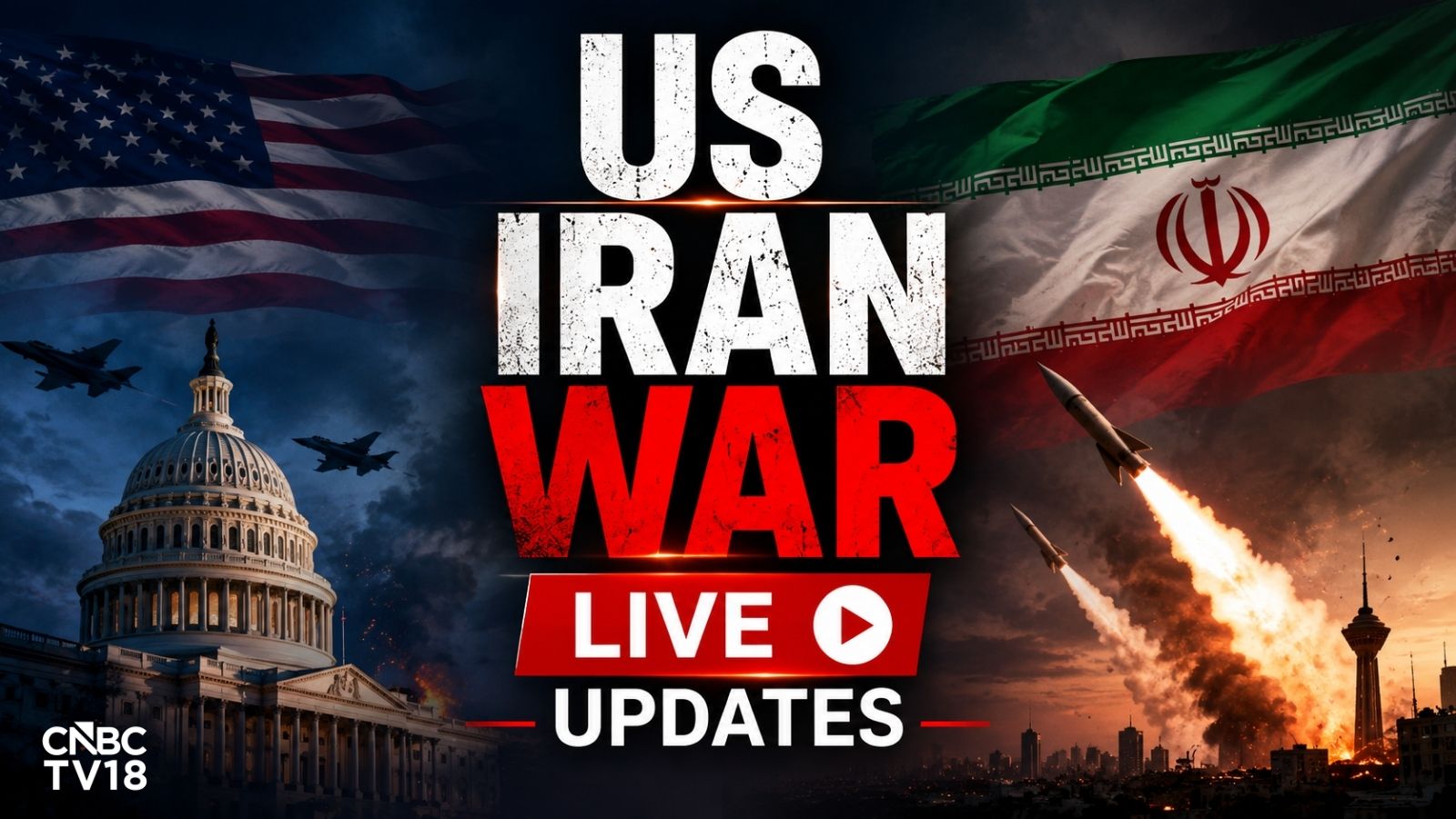
Iran has proposed a plan to reopen the Strait of Hormuz for shipping traffic while postponing discussions on its nuclear program, seeking broader diplomatic engagement.
Context
The proposal comes as Iran aims to engage with regional and global players while indirect talks with the U.S. remain uncertain.S2
Key points
- Iran's latest offer includes reopening the Strait of Hormuz and lifting the U.S. blockade.S1
- The proposal suggests deferring nuclear discussions to a later date.S1
- Iranian Foreign Minister Abbas Araghchi is actively seeking broader diplomatic support for the plan.S2
- Araghchi's diplomatic efforts included meetings with leaders in three countries.S2
- The Strait of Hormuz is a critical waterway for global shipping.S1
- Iran's approach indicates a shift towards engaging multiple international stakeholders.S2
- The proposal aims to alleviate tensions in the region while addressing economic concerns.S1
- Indirect talks with the U.S. regarding Iran's nuclear program remain uncertain.S2
Why it matters
- Reopening the Strait of Hormuz could significantly impact global oil supply and shipping routes.S1
- Delaying nuclear talks may affect international perceptions of Iran's commitment to non-proliferation.S2
- Broader diplomatic engagement could lead to a more stable regional environment.S2
What to watch
- Monitor developments in Iran's diplomatic engagements with regional players.S2
- Watch for responses from the U.S. regarding the proposed plan.S1
- Keep an eye on the implications for global shipping and oil markets if the Strait is reopened.S1