The brief
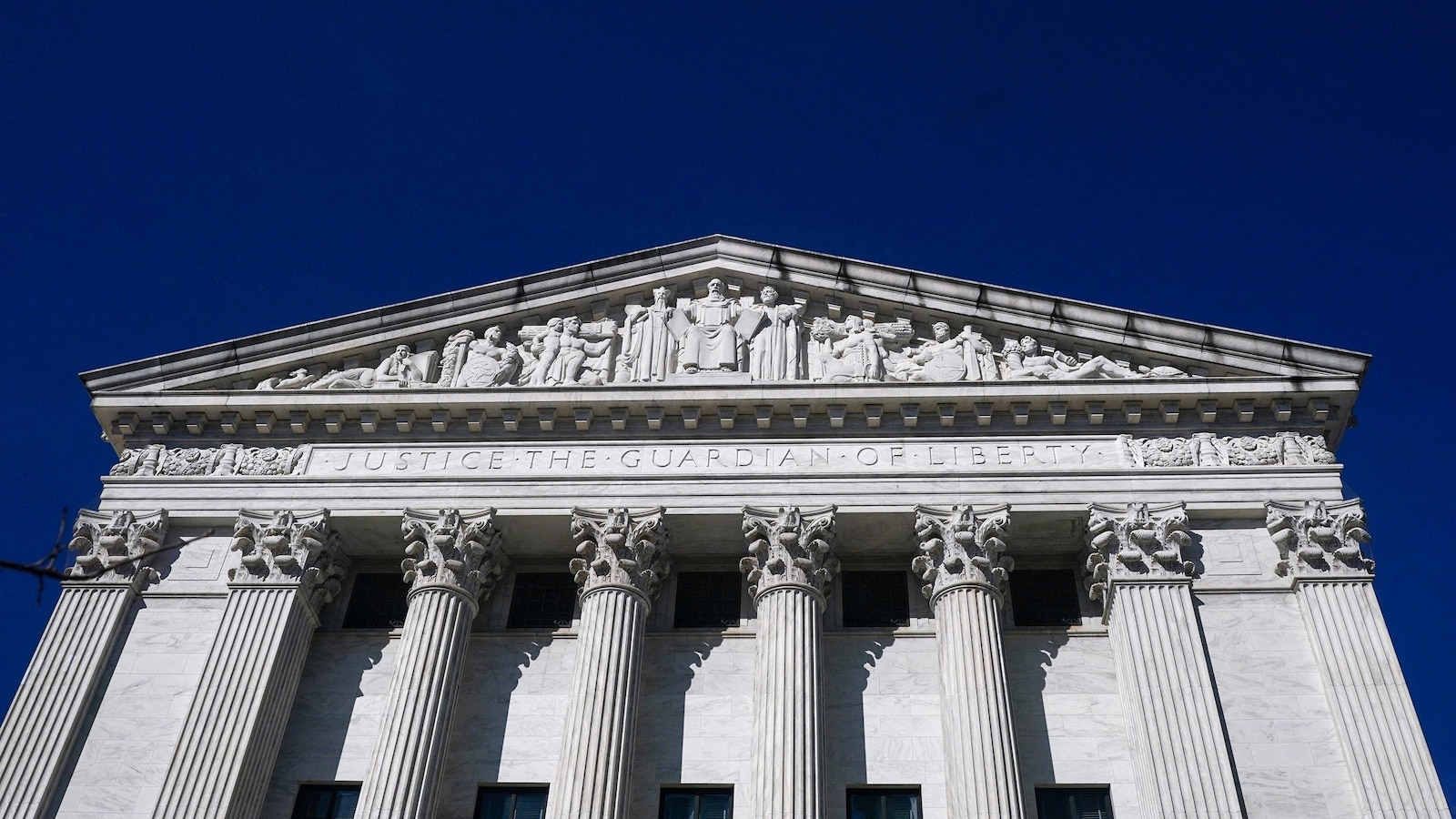
The Supreme Court has invalidated Louisiana's voting map, ruling it as an illegal racial gerrymander, a decision that may complicate the establishment of majority-minority voting districts.
Context
This ruling is part of a broader trend affecting voting rights and redistricting across the United States, particularly impacting minority representation.S2
Key points
- The Supreme Court ruled that Louisiana's voting map constitutes illegal racial gerrymandering.S1
- This decision may hinder efforts to create majority-minority districts in the state.S1
- The ruling reflects ongoing challenges to the Voting Rights Act and its enforcement.S2
- Legal experts suggest this could set a precedent for future redistricting cases.S1
- The decision has implications for minority voter representation in Louisiana and potentially other states.S1
- Critics argue that the ruling undermines protections for minority voters established by the Voting Rights Act.S2
- Supporters of the ruling claim it promotes fairer representation by preventing racial gerrymandering.S1
- The case highlights the contentious nature of redistricting in the U.S. political landscape.S2
Why it matters
- The ruling could significantly affect the political power of minority communities in Louisiana.S1
- It raises questions about the future of the Voting Rights Act and its effectiveness in protecting minority voters.S2
- The decision may influence similar legal challenges in other states, impacting national voting rights discussions.S1
What to watch
- Monitor upcoming redistricting efforts in Louisiana and other states in light of this ruling.S1
- Watch for responses from civil rights organizations regarding the implications of this decision.S2
- Keep an eye on potential legislative changes aimed at addressing the ruling's impact on minority voting rights.S1