
Context
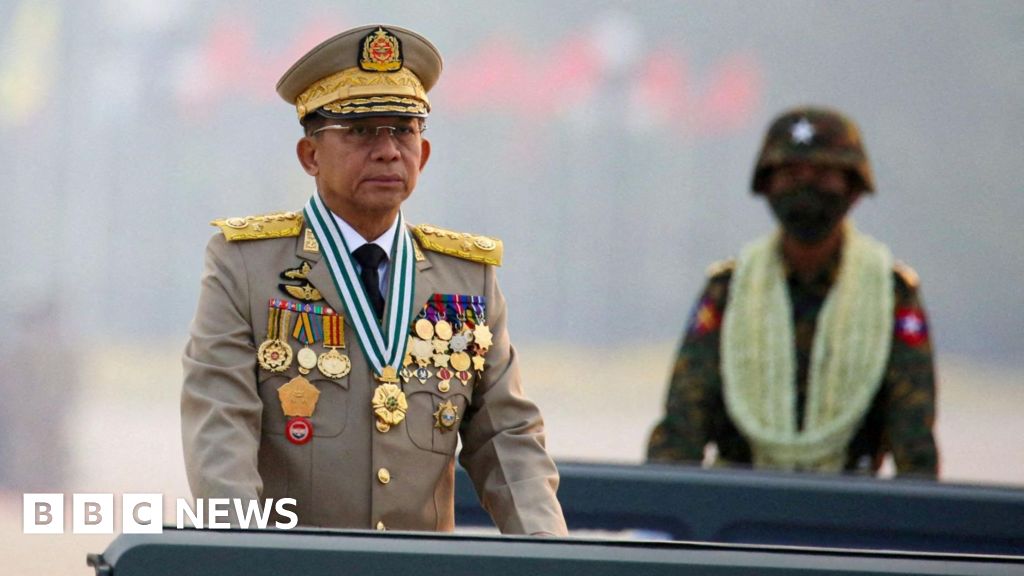
The election of Min Aung Hlaing marks a significant consolidation of power for the military in Myanmar, which has faced widespread resistance since the coup. S1S2
Key points
- Min Aung Hlaing received enough votes to meet the majority threshold for the presidency. S1
- He presided over his last military parade before assuming the presidential role. S2
- His leadership follows a coup that began a violent civil conflict in Myanmar. S3
- The military had promised to hold elections after the coup, which occurred in February 2021. S3
- The election reflects the military's ongoing control over the political landscape in Myanmar. S1
- Min Aung Hlaing's presidency is expected to further entrench military rule. S1
- The international community has condemned the military's actions since the coup. S3
- Civilian resistance against the military government continues across the country. S3
Why it matters
- The election of a military leader as president raises concerns about the future of democracy in Myanmar. S1
- The ongoing civil war has resulted in significant humanitarian crises and instability in the region. S3
- International responses to the military's actions may influence future political developments in Myanmar. S3
What to watch
- Monitor reactions from the international community regarding Min Aung Hlaing's presidency. S3
- Observe the response of civilian groups and resistance movements to the new presidential leadership. S3
- Watch for any potential changes in military strategy or governance under Min Aung Hlaing's administration. S1
Related live story