The brief
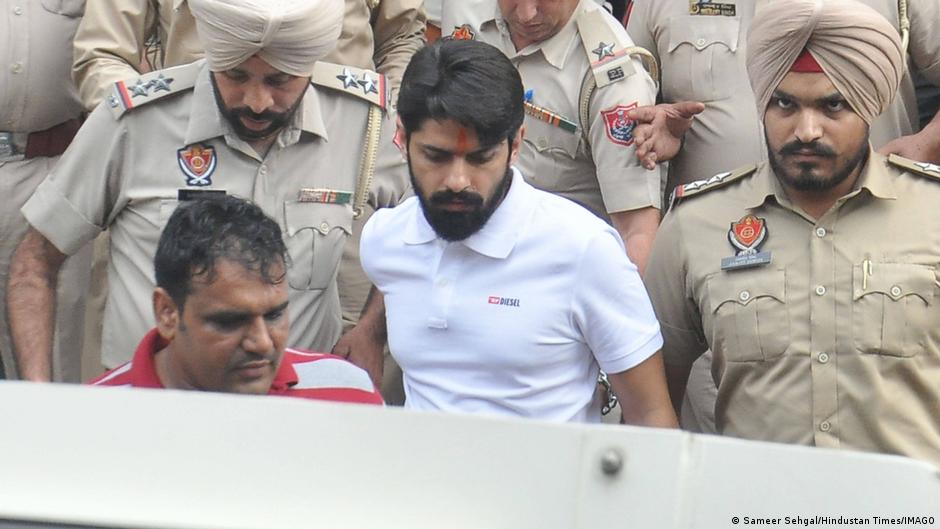
India-based organized crime networks are increasingly recognized as a significant global law enforcement challenge, exemplified by the case of Lawrence Bishnoi.
Context
The evolution of these crime syndicates highlights their transnational reach and the complexities they pose for law enforcement agencies worldwide.S1S2
Key points
- Lawrence Bishnoi, an Indian gangster, is accused of orchestrating criminal activities from prison.S1S2
- Bishnoi's operations include murder, extortion, and international drug trafficking.S1S2
- The case illustrates the growing sophistication of India-linked organized crime gangs.S1S2
- These gangs have expanded their influence beyond India, affecting global security.S1S2
- Law enforcement agencies are increasingly collaborating internationally to combat these networks.S1S2
- The rise of such crime syndicates poses challenges for legal systems worldwide.S1S2
- India's organized crime is now seen as a pressing issue for global law enforcement.S1S2
- The Bishnoi case has drawn attention to the need for stronger international cooperation.S1S2
Why it matters
- The activities of these gangs can destabilize regions and undermine legal systems.S1S2
- Understanding their operations is crucial for developing effective countermeasures.S1S2
What to watch
- Monitor developments in international law enforcement collaborations targeting these gangs.S1S2
- Watch for potential legislative changes in response to the growing threat of organized crime.S1S2