The brief
The ongoing US-Israeli conflict with Iran is revealing significant internal divisions within the BRICS bloc, as member countries grapple with differing priorities and responses to the situation.
Context
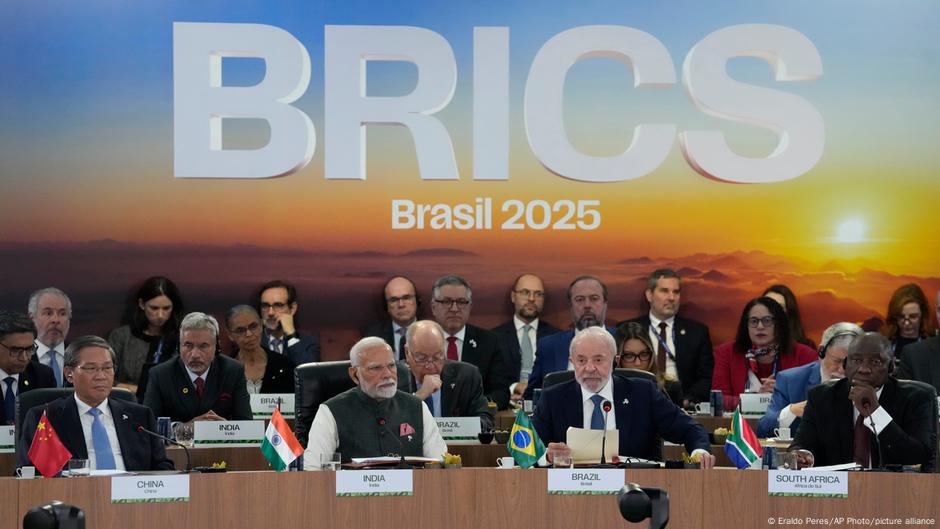
The BRICS nations, comprising Brazil, Russia, India, China, and South Africa, are under pressure to present a unified stance regarding the escalating tensions surrounding Iran. However, the bloc's internal dynamics are complicated by varying national interests and geopolitical strategies.S1S2
Key points
- The US-Israeli war on Iran is intensifying, prompting calls for a BRICS response.S1S2
- BRICS countries are facing mounting pressure to act collectively in response to the conflict.S1S2
- Internal rifts within BRICS are becoming more apparent as member nations prioritize their own interests.S1S2
- Competing interests among BRICS members hinder a cohesive response to the crisis.S1S2
- The limitations of the BRICS bloc are being highlighted by the current geopolitical tensions.S1S2
- Member nations are struggling to balance their relationships with both Iran and the US-Israeli alliance.S1S2
- The situation underscores the challenges of maintaining unity within a diverse coalition like BRICS.S1S2
- Responses to the Iran conflict may affect future BRICS cooperation and solidarity.S1S2
Why it matters
- The outcome of the BRICS response could influence global geopolitical alignments.S1S2
- Internal divisions may weaken the bloc's effectiveness in addressing international crises.S1S2
- The situation tests the resilience of BRICS as a counterbalance to Western influence.S1S2
What to watch
- Monitor how BRICS countries articulate their positions on the Iran conflict moving forward.S1S2
- Watch for potential shifts in alliances within BRICS as the situation evolves.S1S2
- Observe the impact of the Iran conflict on BRICS' future summits and cooperative initiatives.S1S2