The brief
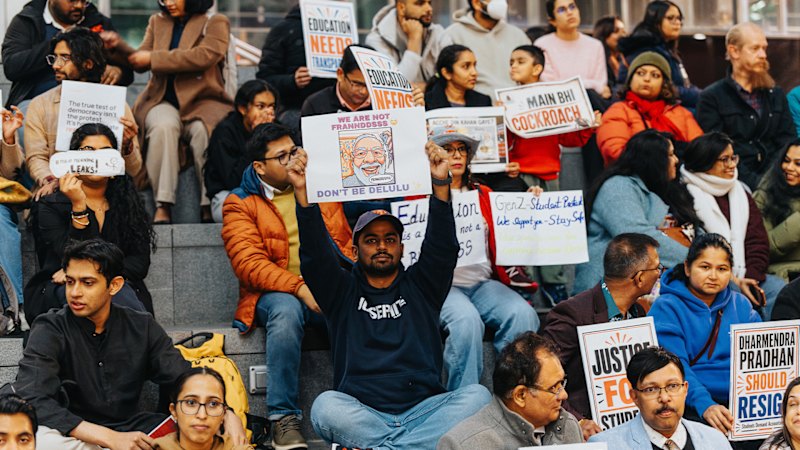
Protests led by the so-called 'Cockroach Janta Party' have surged in Delhi, driven by widespread anger over the education system and youth unemployment.
Context
The protests reflect a growing discontent among young people in India, particularly regarding their future prospects in education and employment.S1S2
Key points
- Tens of thousands of protesters have marched in Delhi, defying police restrictions.S1
- The movement is characterized by its rapid rise amid frustrations over the education system.S1
- Youth unemployment is a central issue fueling the protests.S2
- The protests are seen as a potential challenge to Prime Minister Narendra Modi's government.S2
- The Cockroach Janta Party has emerged as a symbol of this discontent among the youth.S1
- Protesters are demanding reforms in the education sector to better align with job market needs.S1
- The movement's name, 'Cockroach', reflects a sense of resilience and defiance among its supporters.S1
- The protests have garnered significant media attention, highlighting the urgency of the issues at hand.S2
Why it matters
- The protests could signal a shift in public sentiment against the current government, impacting future elections.S2
- Addressing education and unemployment is crucial for India's economic stability and growth.S1
- The movement may inspire similar protests in other regions, amplifying the call for systemic change.S1
What to watch
- Monitor the government's response to the protests and any proposed reforms in education.S2
- Watch for potential escalation in protests if demands are not addressed.S1
- Keep an eye on public opinion trends regarding the Modi government as the protests unfold.S2