The brief
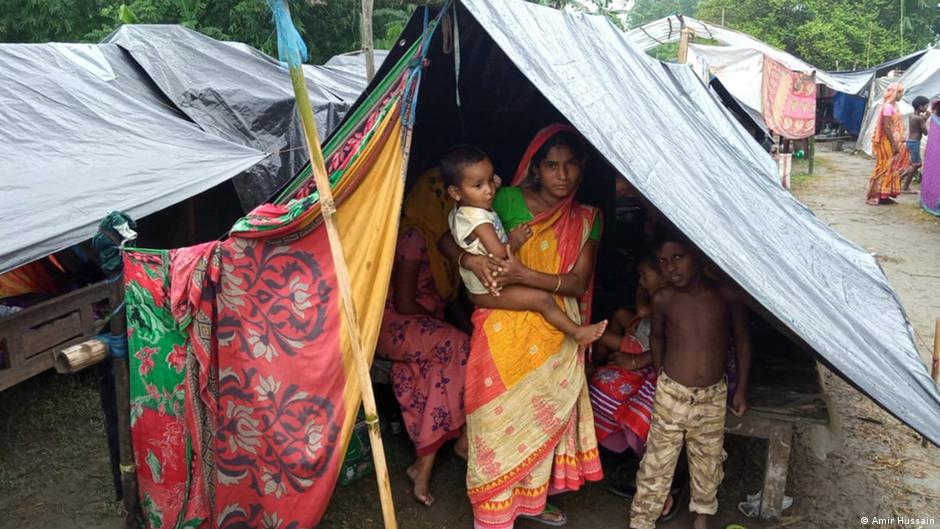
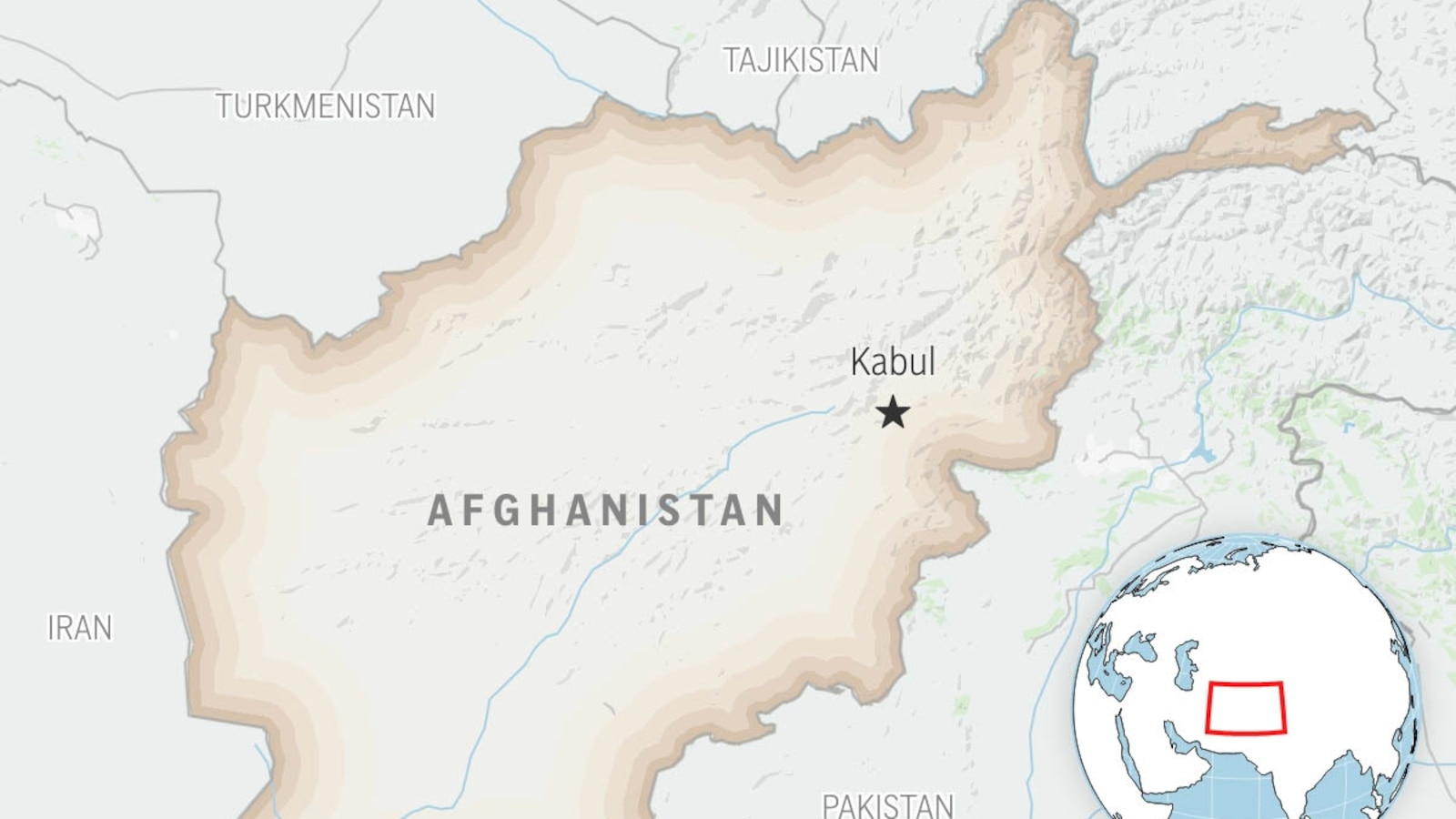
Recent flash floods in Afghanistan have resulted in significant loss of life and widespread displacement, particularly in the eastern province of Nuristan.
Context
Afghanistan is facing severe climate challenges, making it one of the most vulnerable countries to extreme weather events.S2
Key points
- At least 23 people have died due to the floods in Nuristan.S1
- The floods have caused extensive damage to infrastructure and homes in the affected areas.S1
- Rescue operations are ongoing as authorities search for the missing.S2
- The region is known for its isolation, complicating rescue efforts.S1
- Climate change is exacerbating the frequency and severity of such natural disasters in Afghanistan.S2
- Local communities are struggling to cope with the aftermath of the floods.S3
- International aid may be necessary to support recovery efforts in the region.S1
Why it matters
- The floods highlight the urgent need for climate adaptation strategies in vulnerable regions like Afghanistan.S2
- Loss of life and displacement can lead to long-term humanitarian crises in affected areas.S1
- The situation underscores the impact of climate change on global stability and security.S2
What to watch
- Monitor updates on rescue operations and the status of the missing individuals.S2
- Watch for international responses and aid efforts to assist affected communities.S1
- Keep an eye on discussions regarding climate change policies in relation to disaster preparedness.S2