🌏 Asia-Pacific · English
Current: 🌏 Asia-Pacific · English
Global
Focused
Language
Thursday 30 July
🌏 Asia-Pacific · English
Current: 🌏 Asia-Pacific · English
Global
Focused
Language

US Bans Imports of Chinese Robots Over Security Concerns

United States
The brief

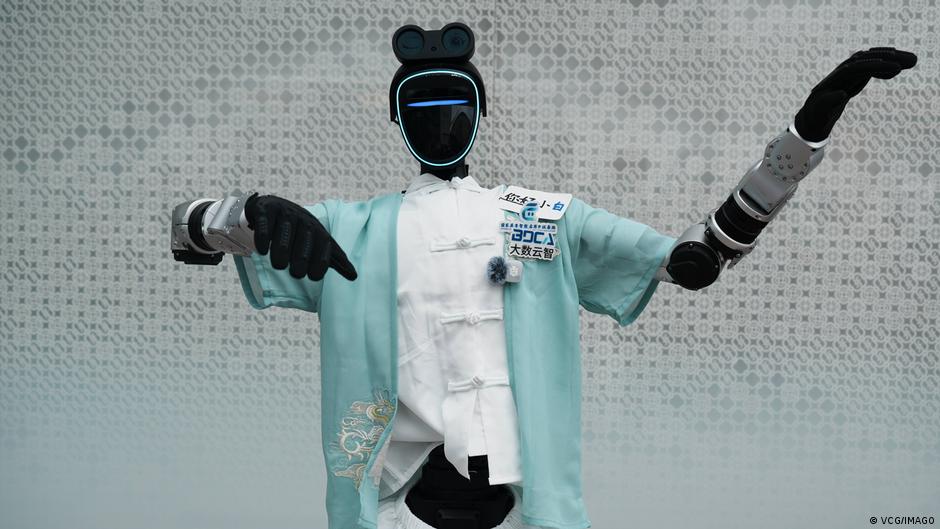
The United States has enacted a ban on the import of new Chinese-made humanoid robots, robot dogs, and power inverters due to security concerns.

Context

This ban is part of a broader initiative by the US to decrease dependence on Chinese technology in sectors related to artificial intelligence and critical infrastructure.S1

Key points

  • The Federal Communications Commission (FCC) announced the import restrictions on Tuesday.S1
  • The ban targets humanoid and quadruped robots, as well as power inverters.S1
  • The US government argues these products could pose cybersecurity risks.S1
  • The action is seen as part of a wider effort to enhance national security.S1
  • The ban may exacerbate existing diplomatic tensions between the US and China.S2S3
  • The restrictions apply to robots manufactured outside the United States.S2S3
  • This move reflects ongoing concerns about foreign technology in critical sectors.S1
  • The ban is part of a trend of increasing scrutiny of Chinese technology imports.S1

Why it matters

  • The ban highlights the US government's focus on national security in technology imports.S1
  • It underscores the growing tensions in US-China relations regarding technology and trade.S2S3
  • The decision may impact industries reliant on advanced robotics and AI technologies.S1

What to watch

  • Monitor how China will respond to the US's latest trade restrictions.S2
  • Watch for potential changes in US policy regarding other foreign technology imports.S1
  • Keep an eye on the implications for US companies that rely on Chinese technology.S1
Timeline · newest first
1d Al Jazeera

US bans imports of new Chinese robots over security concerns

The action is part of a wider US effort to reduce reliance on Chinese technology in industries linked to artificial intelligence, energy and data centres. The United States has ban…

1d Deutsche Welle · 2 reports

US bans Chinese and foreign-made humanoid robots

The Trump administration has banned the import of humanoid and quadruped robots manufactured outside the United States, citing national security concerns. The ban could strain dipl…

US Bans Imports of Chinese Robots Over Security Concerns

2 outlets 3 reports
The brief

The United States has enacted a ban on the import of new Chinese-made humanoid robots, robot dogs, and power inverters due to security concerns.

Context

This ban is part of a broader initiative by the US to decrease dependence on Chinese technology in sectors related to artificial intelligence and critical infrastructure.S1

Key points

  • The Federal Communications Commission (FCC) announced the import restrictions on Tuesday.S1
  • The ban targets humanoid and quadruped robots, as well as power inverters.S1
  • The US government argues these products could pose cybersecurity risks.S1
  • The action is seen as part of a wider effort to enhance national security.S1
  • The ban may exacerbate existing diplomatic tensions between the US and China.S2S3
  • The restrictions apply to robots manufactured outside the United States.S2S3
  • This move reflects ongoing concerns about foreign technology in critical sectors.S1
  • The ban is part of a trend of increasing scrutiny of Chinese technology imports.S1

Why it matters

  • The ban highlights the US government's focus on national security in technology imports.S1
  • It underscores the growing tensions in US-China relations regarding technology and trade.S2S3
  • The decision may impact industries reliant on advanced robotics and AI technologies.S1

What to watch

  • Monitor how China will respond to the US's latest trade restrictions.S2
  • Watch for potential changes in US policy regarding other foreign technology imports.S1
  • Keep an eye on the implications for US companies that rely on Chinese technology.S1
Timeline · newest first

Sources · 3 citations

S1 Al Jazeera 1 report · EN
S2S3 Deutsche WelleLead 2 reports · EN