
Context
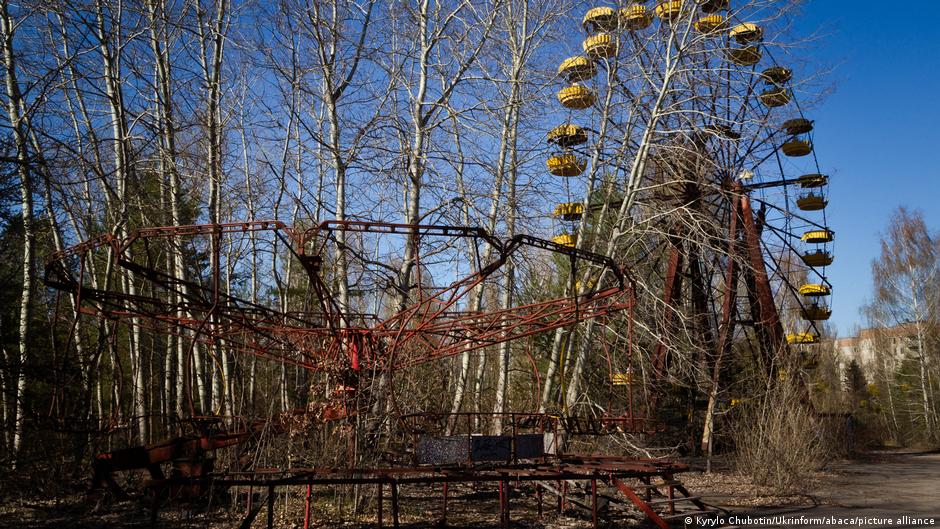
Pripyat was established to house workers of the Chernobyl Nuclear Power Plant and was home to around 50,000 people before the disaster. S1S2
Key points
- Pripyat was completely evacuated following the Chernobyl disaster, leading to the permanent displacement of its residents. S1S2
- The city has been largely left untouched since the evacuation, creating a ghost town atmosphere. S1S2
- DW visited Pripyat with a former resident, providing insights into the town's past and present. S1S2
- The visit highlights the long-term impact of the nuclear disaster on the community and environment. S1S2
- Pripyat serves as a historical site for understanding the consequences of nuclear accidents. S1S2
- The area around Chernobyl has seen a resurgence of wildlife, despite the radiation. S1S2
- Tourism has increased in recent years, with visitors drawn to the site’s history and eerie landscape. S1S2
- The legacy of Chernobyl continues to influence discussions on nuclear energy and safety. S1S2
Why it matters
- Understanding the effects of the Chernobyl disaster is crucial for nuclear policy and safety regulations today. S1S2
- The story of Pripyat reflects the human cost of technological failures and environmental disasters. S1S2
- The ongoing interest in Pripyat underscores the importance of historical memory in shaping future energy decisions. S1S2
What to watch
Related live story