
Context
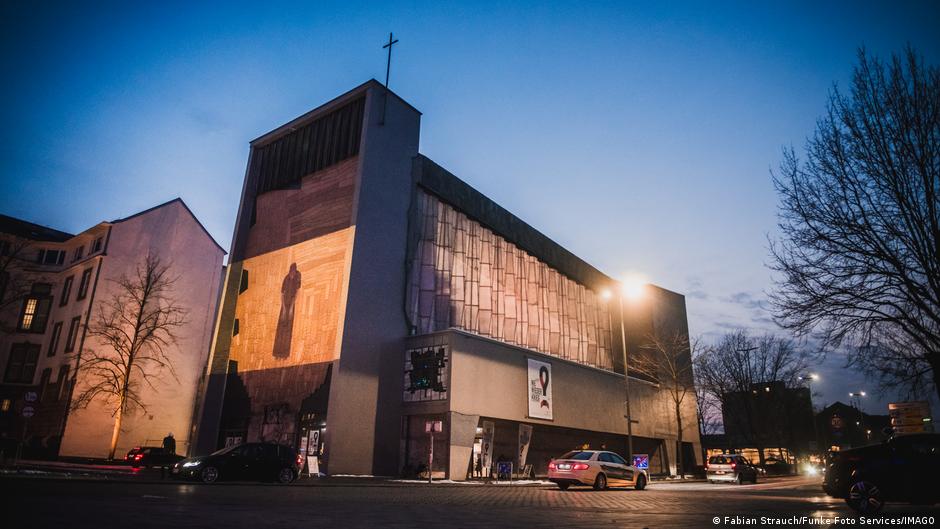
The Ruhr region saw the construction of approximately 1,000 churches following World War II, many of which are now unoccupied. Manifesta aims to repurpose these structures for artistic expression. S1S2
Key points
- Manifesta is an art biennial that focuses on contemporary art. S1
- The event is revitalizing churches built in the post-war era in Germany. S2
- Many of these churches are currently standing empty and underutilized. S1
- The initiative seeks to breathe new life into these historical buildings. S2
- Manifesta showcases how art can engage with architecture and history. S1
- The project highlights the cultural significance of the Ruhr region's post-war reconstruction. S2
- Artists are invited to create works that resonate with the unique spaces of these churches. S1
- The biennial serves as a platform for dialogue about art and community. S2
Why it matters
- Revitalizing empty churches can foster community engagement and cultural dialogue. S1
- The project reflects on the historical context of post-war Germany and its architectural legacy. S2
- It demonstrates the potential of contemporary art to transform spaces and perceptions. S1
What to watch
Related live story