
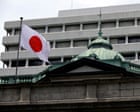
Context
This decision follows similar moves by other central banks, such as the European Central Bank, while the US Federal Reserve and the Bank of England are expected to maintain their current rates. S1
Key points
- The Bank of Japan raised its short-term policy rate by a quarter of one percentage point to 1%. S1
- This marks the highest interest rate level in 31 years for Japan. S1
- The increase aims to mitigate inflationary pressures affecting the economy. S2
- Policymakers noted that companies are quickly passing on rising oil costs. S1
- The pass-through of high oil prices is progressing rapidly through Japan's economy. S2
- The decision reflects concerns over the impact of the Iran war on global oil prices. S1
- The move contrasts with the expected stances of the US Fed and Bank of England, which are likely to hold rates steady. S1
- The BoJ's action indicates a shift in its long-standing monetary policy approach. S1
Why it matters
- The rate hike is a significant response to external inflationary pressures, particularly from oil prices. S1
- It highlights the Bank of Japan's commitment to controlling inflation amid global economic uncertainties. S2
What to watch
Related live story