
Context
The political landscape in Burkina Faso is marked by a struggle between the ruling junta and opposition groups advocating for democracy. S1S2
Key points
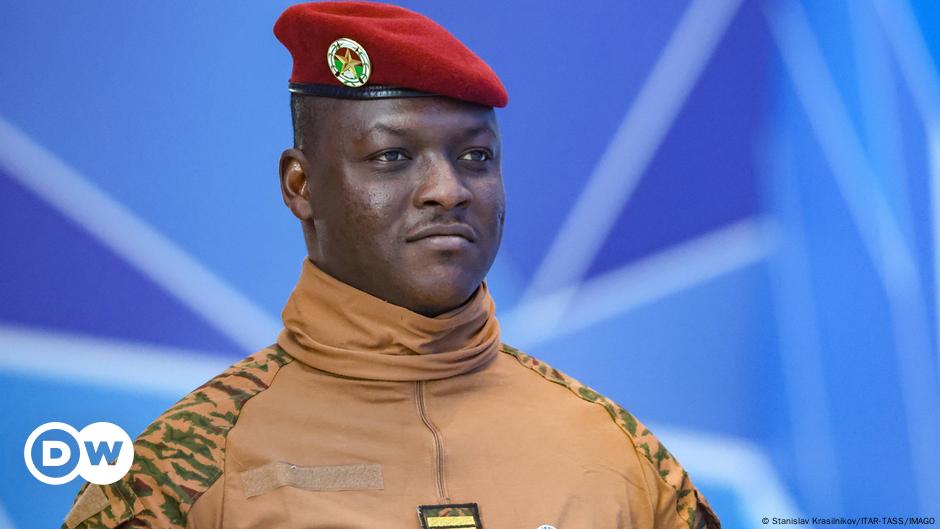
- Ibrahim Traore leads the junta in Burkina Faso, firmly opposing democratic principles. S1S2
- A new alliance in exile is actively pushing for the return of democracy in the country. S1S2
- Despite the push for democracy, Traore currently holds the advantage in power dynamics. S1S2
- The junta's stance reflects a broader trend of military governance in the region. S1S2
- Opposition groups face significant challenges in mobilizing support from within the country. S1S2
- The situation raises concerns about the future of political stability in Burkina Faso. S1S2
- International reactions to the junta's governance style remain mixed, with some supporting democratic restoration efforts. S1S2
- The ongoing conflict and security issues complicate the political landscape further. S1S2
Why it matters
- The rejection of democracy by Traore could set a precedent for other military leaders in the region. S1S2
- The struggle for democratic governance highlights the tensions between military and civilian rule. S1S2
- Understanding this dynamic is crucial for international stakeholders involved in West African politics. S1S2
What to watch
- Monitor the developments of the alliance in exile and its strategies for promoting democracy. S1S2
- Watch for any shifts in Traore's governance approach or potential negotiations with opposition groups. S1S2
- Keep an eye on international responses to Burkina Faso's political situation and their implications. S1S2
Related live story