
Context
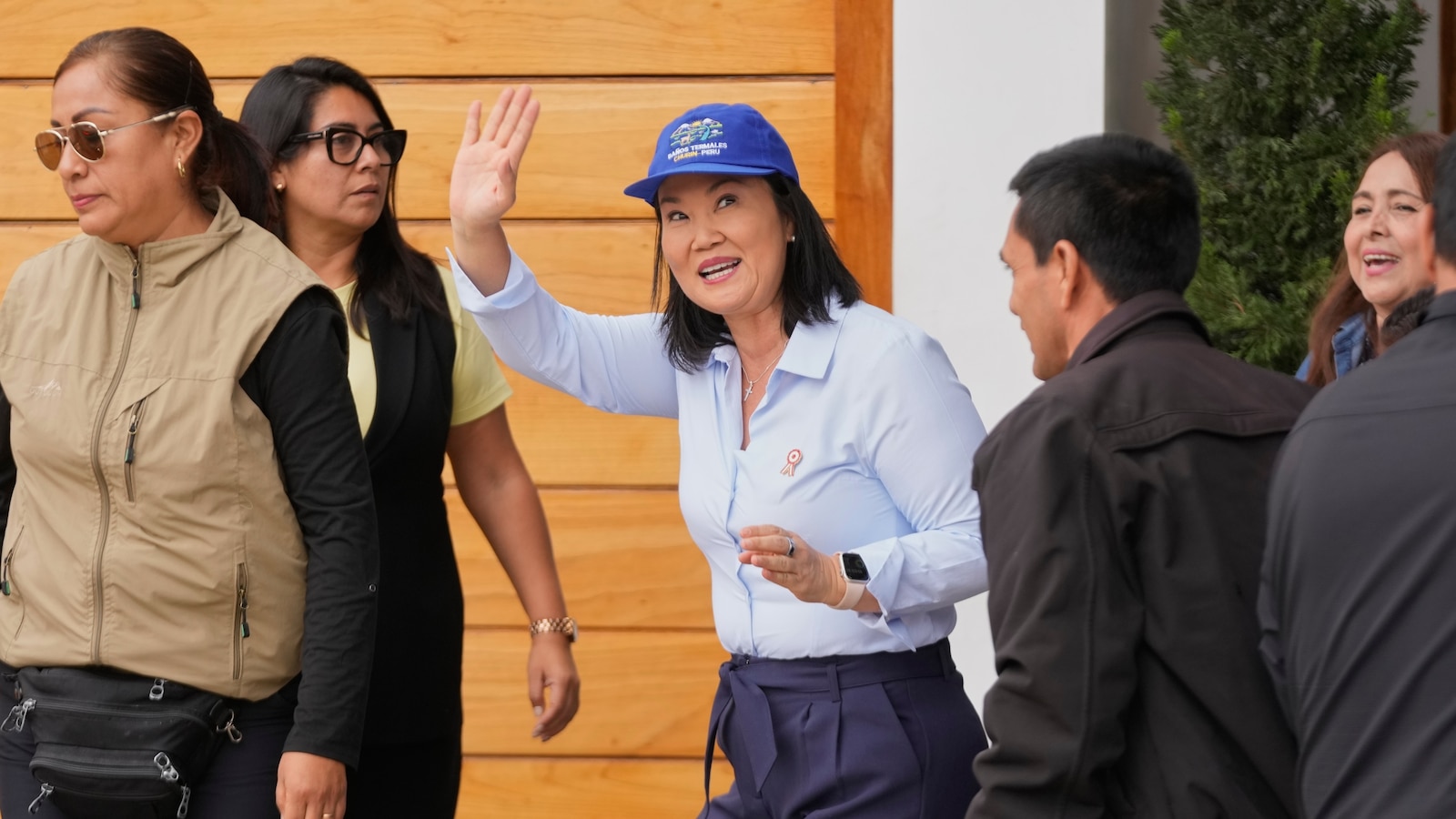
Fujimori's election marks a significant moment in Peru's political landscape, reflecting a shift towards conservative governance. S1S2
Key points
- Fujimori is the daughter of former President Alberto Fujimori, who is a controversial figure in Peru's history. S1
- She has pledged to boost private investment, particularly in the mining sector, which is crucial for Peru's economy. S1
- Fujimori's campaign focused on a tough stance against crime, appealing to voters concerned about security. S1
- Her victory comes after a closely contested runoff election, highlighting a divided electorate. S2
- Fujimori's administration is expected to prioritize economic growth and stability. S1
- The election results have implications for Peru's relations with international investors, especially in mining. S1
- Fujimori's leadership style may reflect her father's authoritarian approach, raising concerns among some observers. S1
- Her presidency could influence the political dynamics in the region, particularly among conservative parties. S1
Why it matters
- Fujimori's election could lead to increased foreign investment in Peru's mining sector, which is vital for economic recovery. S1
- A strong focus on crime may reshape public safety policies and impact social stability in urban areas. S1
- The outcome reflects broader trends in Latin America, where conservative candidates are gaining traction. S1
What to watch
- Monitor Fujimori's policy announcements regarding the mining sector and crime prevention strategies. S1
- Watch for reactions from opposition parties and civil society groups regarding her governance style. S1
- Keep an eye on international investor responses to her administration's economic policies. S1
Related live story