
Context
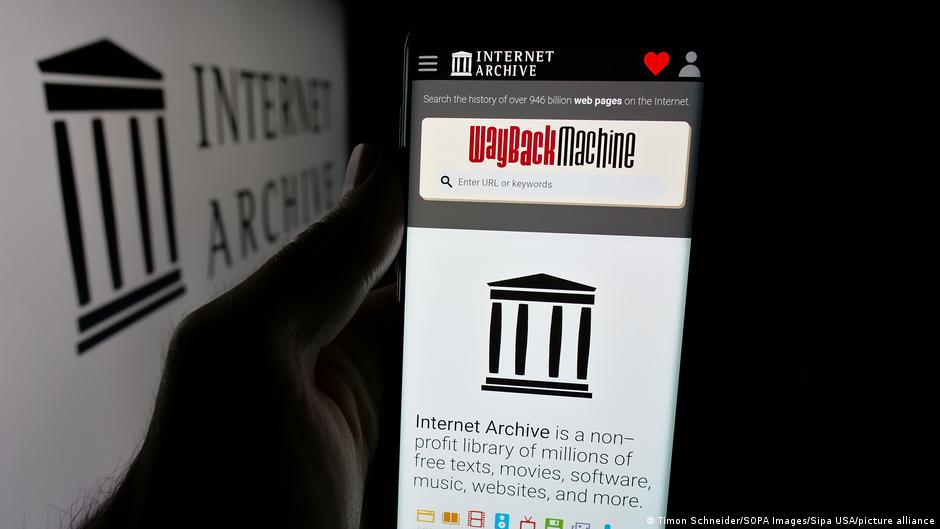
The Wayback Machine serves as a digital archive, allowing users to access past versions of web pages. However, its role is threatened as media organizations increasingly deny it permission to archive their content. S1S2
Key points
- The Wayback Machine is known for preserving digital memory by archiving web pages. S1S2
- Many media outlets are now blocking the Wayback Machine from accessing their content. S1S2
- This trend raises concerns about the accessibility of historical digital information. S1S2
- The refusal to allow archiving could impact research and historical documentation. S1S2
- The Wayback Machine's survival is at stake due to these restrictions. S1S2
- Blocking access may lead to a fragmented digital history. S1S2
- The situation highlights the tension between copyright concerns and public access to information. S1S2
- Media outlets may prioritize control over their content over its preservation. S1S2
Why it matters
- Preserving digital content is crucial for historical research and accountability. S1S2
- Access to archived content supports transparency in media and public discourse. S1S2
- The blocking of the Wayback Machine could set a precedent for other digital content providers. S1S2
What to watch
Related live story