
Context
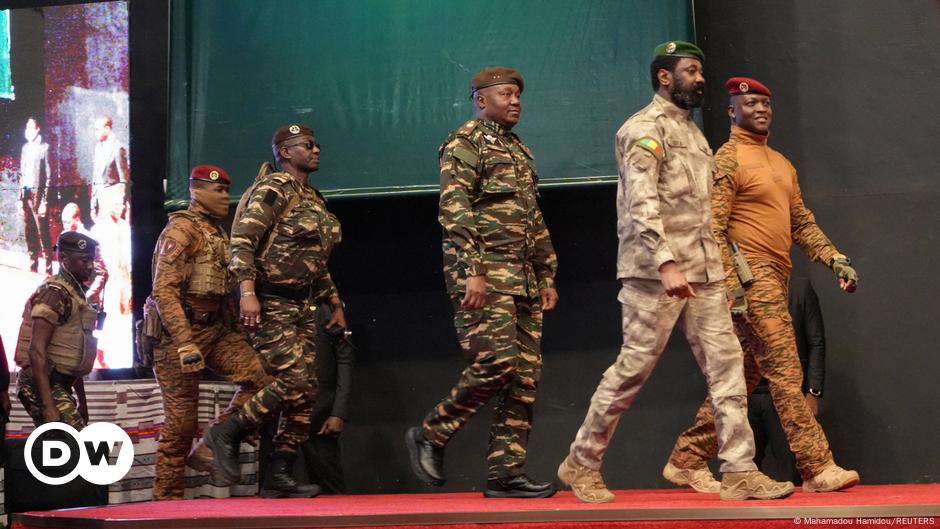
The Sahel has experienced significant political upheaval, particularly with the coups in Mali, Niger, and Burkina Faso during 2022-2023. These events have prompted a shift in alliances, with the new junta regimes seeking support from countries like Russia and China, as well as the United States. S1S2+1
Key points
- The EU aims to enhance its investment in West Africa's security and economic growth. S1S2
- Recent coups have led to a realignment of power dynamics in the Sahel region. S1S3
- Junta regimes in the Sahel are increasingly turning to non-Western powers for support. S2S3
- The EU's strategy seeks to counter the influence of Russia and China in the region. S1S2
- Strengthening ties with West Africa is seen as crucial for EU interests. S1S3
- The instability in the Sahel poses risks not only regionally but also for Europe. S2S3
- The EU's new approach may involve increased military and developmental aid. S1S2
- There is a growing recognition of the need for a coordinated EU response to Sahel challenges. S1S3
Why it matters
- The Sahel's instability can lead to increased migration pressures on Europe. S2
- A stronger EU presence in the region may help stabilize the situation and prevent further coups. S1S3
- The competition for influence in the Sahel reflects broader geopolitical tensions. S2
What to watch
Related live story