
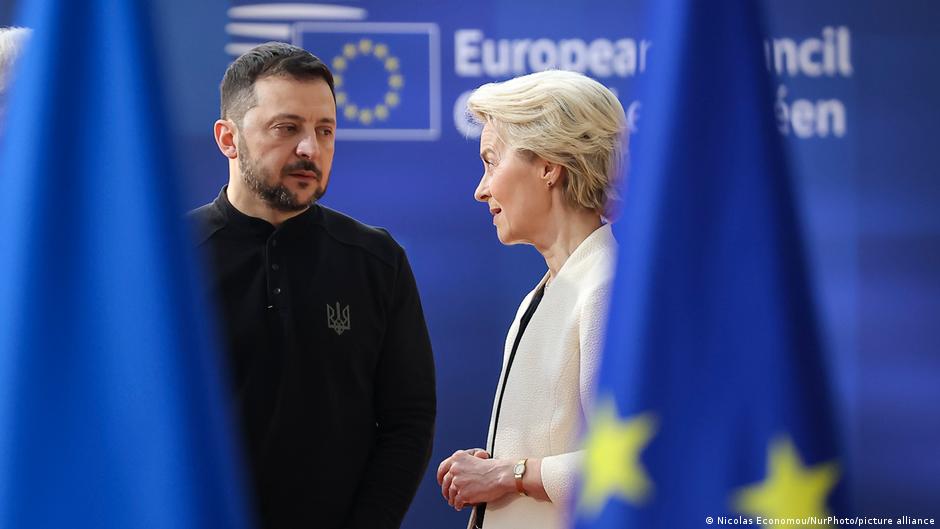
Context
This initiation of talks comes two years later than initially scheduled due to previous political obstacles. S1S2
Key points
- The EU's decision to start negotiations is a response to Ukraine's ongoing efforts to align with European standards. S1
- Former Hungarian Prime Minister Viktor Orban had previously delayed the accession process. S1S2
- Orban's election defeat has removed the primary barrier to Ukraine's EU accession talks. S1
- The formal opening of talks is seen as a pivotal moment in Ukraine's European aspirations. S2
- The negotiations will focus on various reforms and compliance with EU regulations. S1
- This development is part of a broader strategy to strengthen ties between the EU and Eastern European nations. S2
- The EU aims to enhance stability and security in the region through this accession process. S1
- Ukraine's accession to the EU is expected to have significant political and economic implications. S2
Why it matters
- The start of accession talks signifies a commitment from the EU to support Ukraine amid ongoing geopolitical tensions. S1
- Successful negotiations could lead to increased economic support and investment in Ukraine. S2
- This move may influence other Eastern European countries considering closer ties with the EU. S1
What to watch
Related live story