
Context
This shift marks a departure from the traditional trading schedule that has characterized European energy markets for years, indicating a response to evolving market conditions. S1S2
Key points
- European energy traders will experience a 21-hour trading day starting this week. S1S2
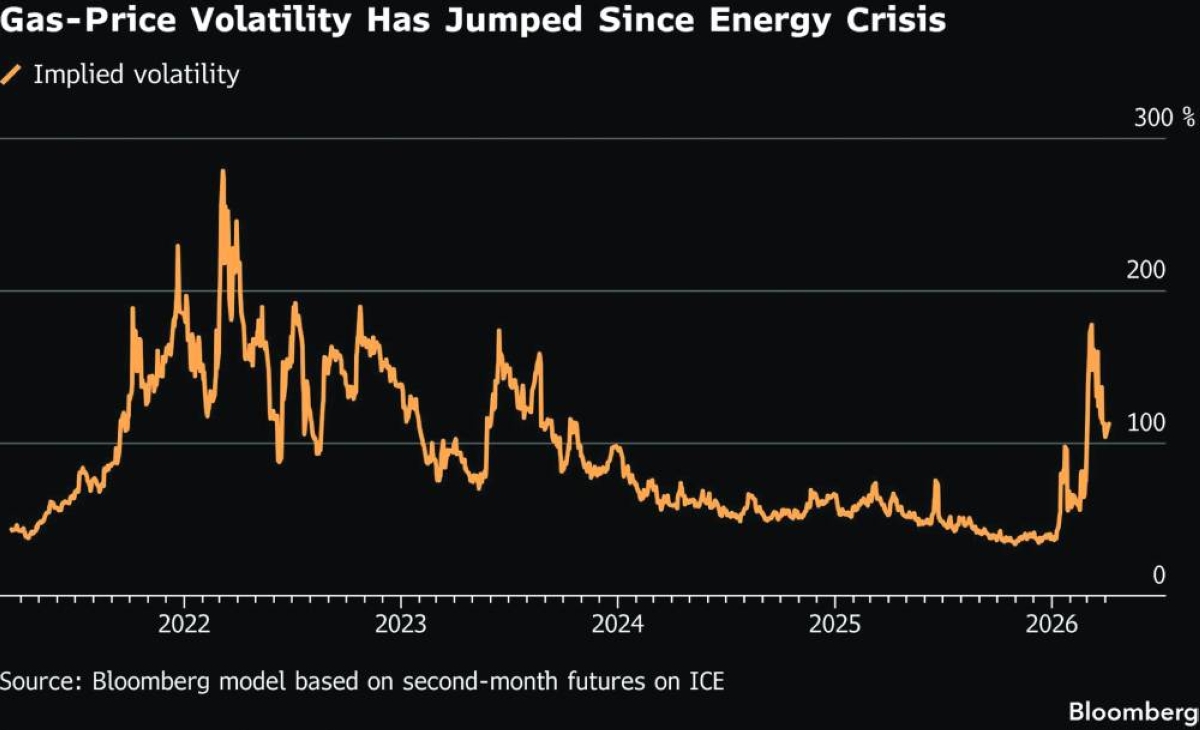
- The change aims to accommodate increased market volatility in gas and power sectors. S1S2
- This adjustment ends the previously established 10-hour trading window. S1S2
- The extended hours are expected to impact trading strategies and market dynamics significantly. S1S2
- Traders are preparing for a more active trading environment as a result of this change. S1S2
- The move reflects broader trends in global energy trading practices. S1S2
- Market participants are bracing for potential challenges and opportunities with the new schedule. S1S2
- This shift may lead to increased liquidity in the European energy markets. S1S2
Why it matters
- The extended trading hours could enhance market responsiveness to real-time events and price fluctuations. S1S2
- Increased volatility may lead to greater risks and rewards for traders in the energy sector. S1S2
- This change reflects the growing importance of European energy markets in the global trading landscape. S1S2
What to watch
Related live story