
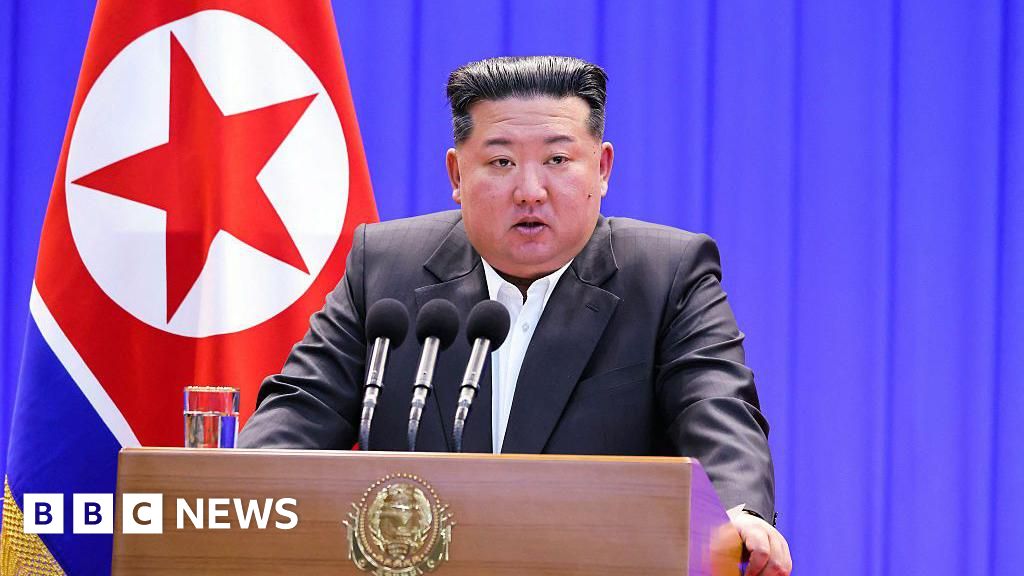
Context
The increase in executions is attributed to North Korea's isolation following the closure of its borders due to the pandemic, allowing the regime to act with less oversight. S1S2
Key points
- At least 153 people were executed or sentenced to death from January 2020 to the end of 2024. S1
- This figure represents a sharp increase compared to 44 executions in the five years prior to the pandemic. S1
- The report highlights a 117% increase in documented cases of executions and death sentences during the pandemic. S2
- The regime reportedly used the pandemic to escalate killings as global attention diminished. S2
- The data covers a period of 13 years under the leadership of Kim Jong-un. S2
- The NGO report suggests that the increase in executions reflects broader human rights abuses in North Korea. S1
- Executions are often carried out publicly, serving as a tool for the regime to instill fear among the populace. S1
- The findings raise concerns about the lack of accountability for human rights violations in North Korea. S2
Why it matters
- The increase in executions underscores the regime's disregard for human rights, particularly during times of crisis. S1
- This trend may indicate a shift in the regime's approach to governance and control over its citizens. S2
- Understanding these patterns is crucial for international human rights advocacy and policy-making. S1
What to watch
Related live story