
Context
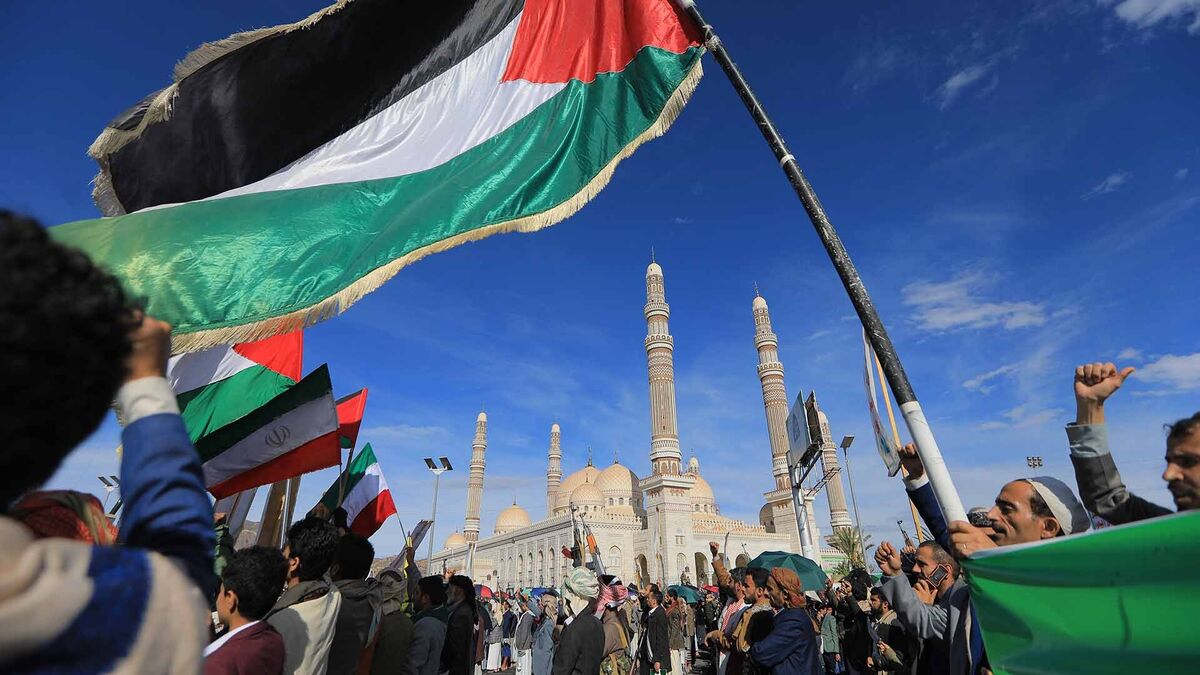
The situation has escalated with the involvement of Iran-backed Houthi militants, raising concerns about the broader implications for global supply chains. S1S2
Key points
- Randa Fahmy, former US Associate Deputy Energy Secretary, warns of a prolonged conflict in the Middle East. S1
- The conflict has already impacted the global helium market, causing systemic shocks. S2
- Qatar plays a significant role in the helium market, which is interconnected with global resource systems. S2
- Shocks in one resource market can affect other markets due to their interconnected nature. S2
- The involvement of Houthi militants indicates a potential escalation in regional tensions. S1
- Experts suggest that the oil market is particularly vulnerable to disruptions from ongoing conflicts. S1
- The situation could lead to increased volatility in resource prices globally. S1S2
- Market analysts are closely monitoring developments in the Middle East for further impacts on supply chains. S1S2
Why it matters
- Prolonged conflict in the Middle East could lead to sustained increases in oil prices, affecting global economies. S1
- Disruptions in the helium market could impact various industries, including technology and healthcare. S2
- Understanding the interconnectedness of resource markets is crucial for anticipating future economic challenges. S2
What to watch
- Monitor developments in the Middle East for potential escalations that could further disrupt resource markets. S1
- Watch for responses from major oil-producing nations regarding supply adjustments in light of the conflict. S1
- Keep an eye on helium market trends as the situation evolves, particularly regarding Qatar's role. S2
Related live story