
Context
The political landscape in Guinea-Bissau has become increasingly volatile after a coup, with significant implications for governance and international relations. S1S2
Key points
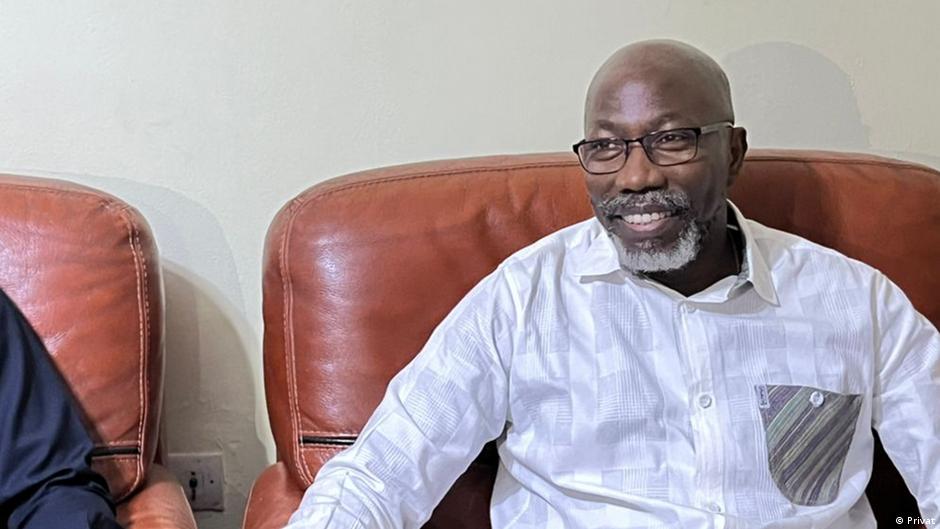
- Domingos Simoes Pereira, the opposition leader, has been under house arrest for several months. S1S2
- His detention is seen as a significant factor in the ongoing political crisis in the country. S1S2
- The situation has raised concerns among international partners regarding the stability of Guinea-Bissau. S1S2
- The coup that led to Pereira's arrest has intensified political tensions within the nation. S1S2
- Pereira's house arrest is viewed as a move to suppress dissent and consolidate power by the ruling authorities. S1S2
- The international community is closely monitoring the developments in Guinea-Bissau. S1S2
- The political crisis has implications for governance and democratic processes in the country. S1S2
- Pereira's situation highlights the fragile state of political affairs in Guinea-Bissau post-coup. S1S2
Why it matters
- The ongoing political crisis could lead to further instability in Guinea-Bissau, affecting regional security. S1S2
- International partners may reconsider their diplomatic and economic engagements with Guinea-Bissau based on the political climate. S1S2
- The situation underscores the challenges of restoring democratic governance in the aftermath of a coup. S1S2
What to watch
- Monitor any changes in the status of Domingos Simoes Pereira and potential international responses. S1S2
- Watch for developments in the political landscape that may arise from the ongoing crisis. S1S2
- Keep an eye on statements from international organizations regarding Guinea-Bissau's political situation. S1S2
Related live story