
Context
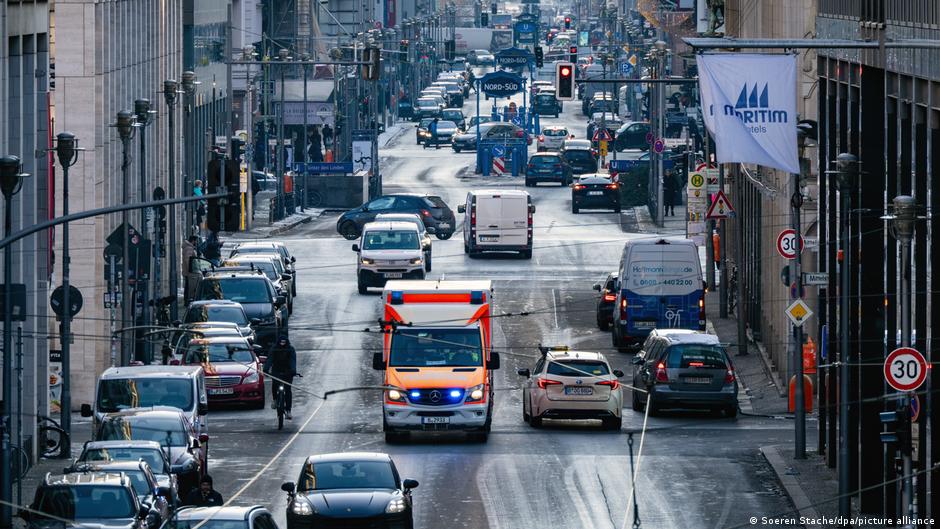
The movement in Berlin reflects a growing trend in urban planning that prioritizes pedestrian-friendly spaces over vehicle access. S1S2
Key points
- The campaign aims to collect signatures to support the initiative. S1S2
- Other European cities have successfully created car-free zones, enhancing urban life. S1S2
- The initiative is part of a broader movement towards sustainable urban environments. S1S2
- Supporters argue that car-free areas improve air quality and public health. S1S2
- The campaign is driven by local citizens who want to reshape city spaces. S1S2
- There is a growing recognition of the need for more pedestrian-friendly infrastructure. S1S2
- The proposal has sparked discussions about urban mobility and transportation policies. S1S2
- If successful, the initiative could set a precedent for other cities in Germany and beyond. S1S2
Why it matters
- Creating car-free zones can lead to more vibrant public spaces. S1S2
- Such initiatives may contribute to reducing carbon emissions in urban areas. S1S2
- The movement reflects changing attitudes towards urban transportation and sustainability. S1S2
What to watch
Related live story