
Context
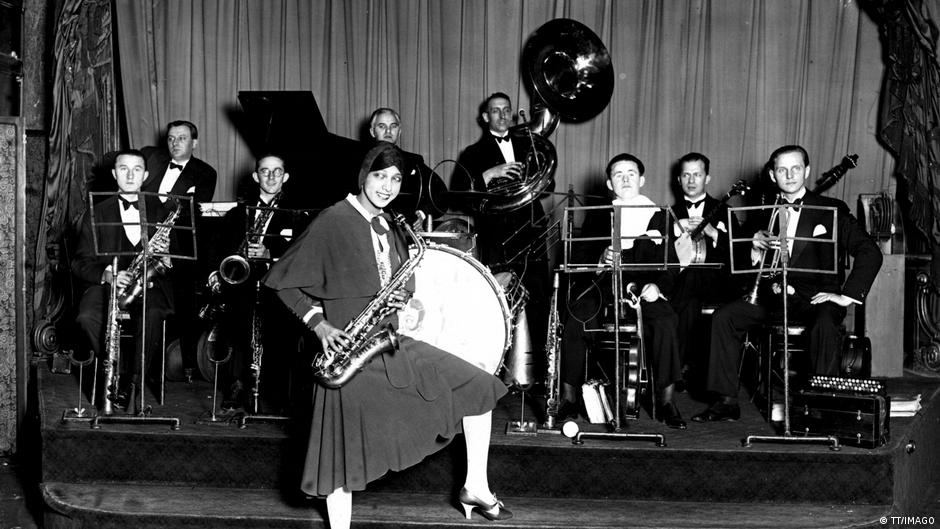
During the Nazi era, jazz was widely popular among the youth in Germany, leading to a cultural movement that opposed the regime's restrictions on artistic expression. S1S2
Key points
- The Nazis condemned jazz music, viewing it as a threat to their ideology. S1S2
- Jazz became a form of resistance for many young Germans during the Nazi regime. S1S2
- The Swing Youth, a group of jazz enthusiasts, formed as a response to the oppressive environment. S1S2
- Despite crackdowns, jazz music continued to thrive in underground scenes. S1S2
- Jazz's popularity among teenagers highlighted a cultural divide in Nazi Germany. S1S2
- The movement represented a broader struggle for freedom of expression during this period. S1S2
- Jazz's influence extended beyond music, impacting fashion and social gatherings. S1S2
- The Swing Youth organized dances and events to celebrate jazz culture. S1S2
Why it matters
- Understanding jazz's role in Nazi Germany sheds light on the power of music as a form of protest. S1S2
- The story of the Swing Youth illustrates the resilience of youth culture in oppressive regimes. S1S2
What to watch
Related live story