
Context
The situation in Iran is affecting global agricultural markets, leading to fears of resource shortages for farmers. S1S2
Key points
- Energy costs are rising due to the Iran conflict, impacting agricultural production. S1S2
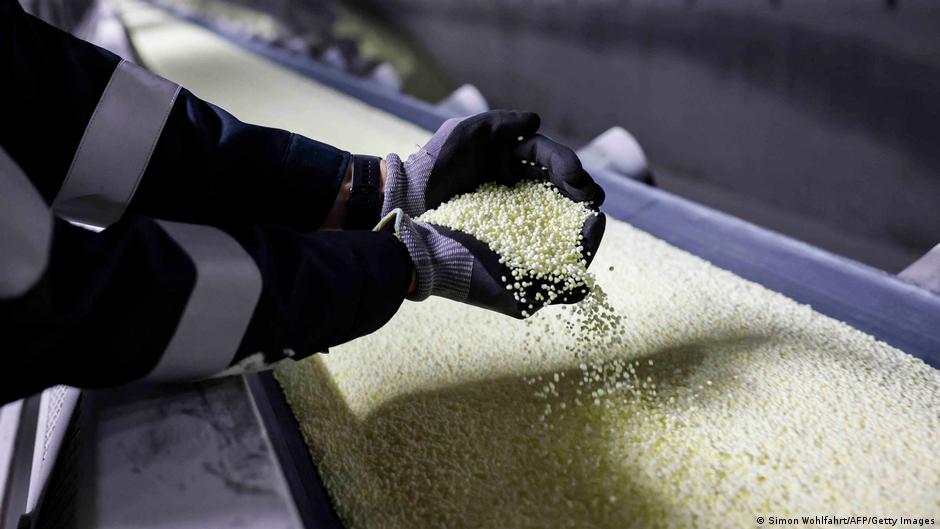
- Fertilizer prices are also increasing, which could affect crop yields. S1S2
- Farmers are preparing for potential shortages of essential resources. S1S2
- There are alarms over a possible return of food inflation as a result of these rising costs. S1S2
- The conflict's impact on food supply chains is being closely monitored by agricultural experts. S1S2
- Resource shortages could lead to lower harvests in various regions. S1S2
- The situation may exacerbate existing food security issues globally. S1S2
- Countries dependent on imports may face increased food prices and scarcity. S1S2
Why it matters
- Rising food prices can disproportionately affect low-income populations. S1S2
- Food inflation can lead to social unrest and instability in affected regions. S1S2
- Understanding these dynamics is crucial for policymakers and stakeholders in agriculture. S1S2
What to watch
Related live story