
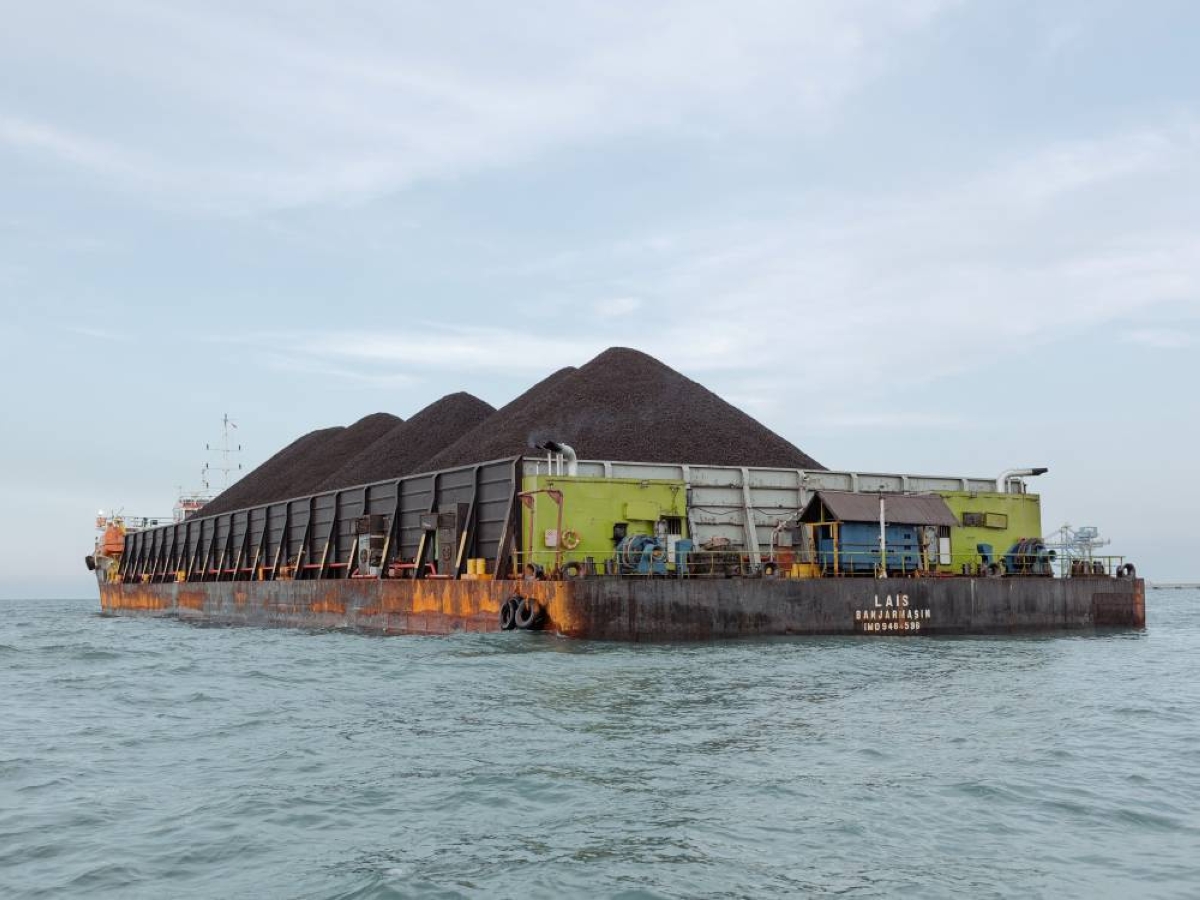
Context
The country has historically relied on traders to manage the export of its raw materials, which has limited its control over the trading process. S1S2
Key points
- Indonesia aims to improve its bargaining power in global markets. S1
- The country is focusing on direct negotiations rather than relying solely on traders. S2
- Efforts include enhancing infrastructure for transporting raw materials. S1
- Indonesia plans to streamline logistics to reduce costs and improve efficiency. S2
- The initiative seeks to attract more foreign investment in the sector. S1
- Indonesia's strategy may disrupt traditional trading practices dominated by foreign firms. S2
- The government is exploring partnerships to bolster its trading capabilities. S1
- There is a push for greater transparency in the trading process. S2
Why it matters
- Strengthening Indonesia's position could lead to better economic outcomes for the country. S1
- Reducing dependency on foreign traders may enhance national sovereignty over resources. S2
What to watch
Related live story