
Context
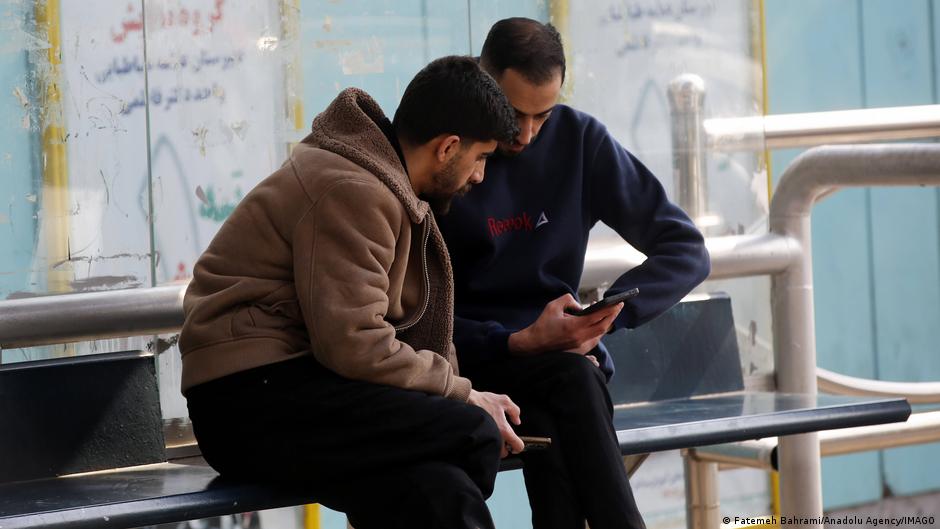
The Iranian government has implemented internet shutdowns as a means of control, affecting both personal and business communications. S1S2
Key points
- The internet shutdown serves as a tool for the Iranian government to maintain control over its citizens. S1S2
- Many Iranians experience significant disruptions in accessing information and conducting business due to these restrictions. S1S2
- The blackout highlights the broader issue of censorship in Iran, where access to the outside world is heavily regulated. S1S2
- Ordinary citizens face daily challenges as their ability to communicate and access information is limited. S1S2
- The government's actions reflect a strategy to suppress dissent and control public discourse. S1S2
- The situation raises concerns about human rights and freedom of expression in Iran. S1S2
- International observers are increasingly critical of Iran's internet policies and their implications for civil liberties. S1S2
- The internet blackout has economic implications, affecting businesses that rely on online communication. S1S2
Why it matters
- Understanding the impact of internet censorship is crucial for assessing the state of civil liberties in Iran. S1S2
- The situation illustrates the lengths to which the government will go to control information and suppress dissent. S1S2
- The economic ramifications of the blackout could have long-term effects on Iran's business environment. S1S2
What to watch
- Monitor any changes in government policy regarding internet access and censorship in Iran. S1S2
- Watch for international responses to Iran's internet shutdowns and their implications for diplomatic relations. S1S2
- Keep an eye on grassroots movements within Iran advocating for greater access to information and communication. S1S2
Related live story